
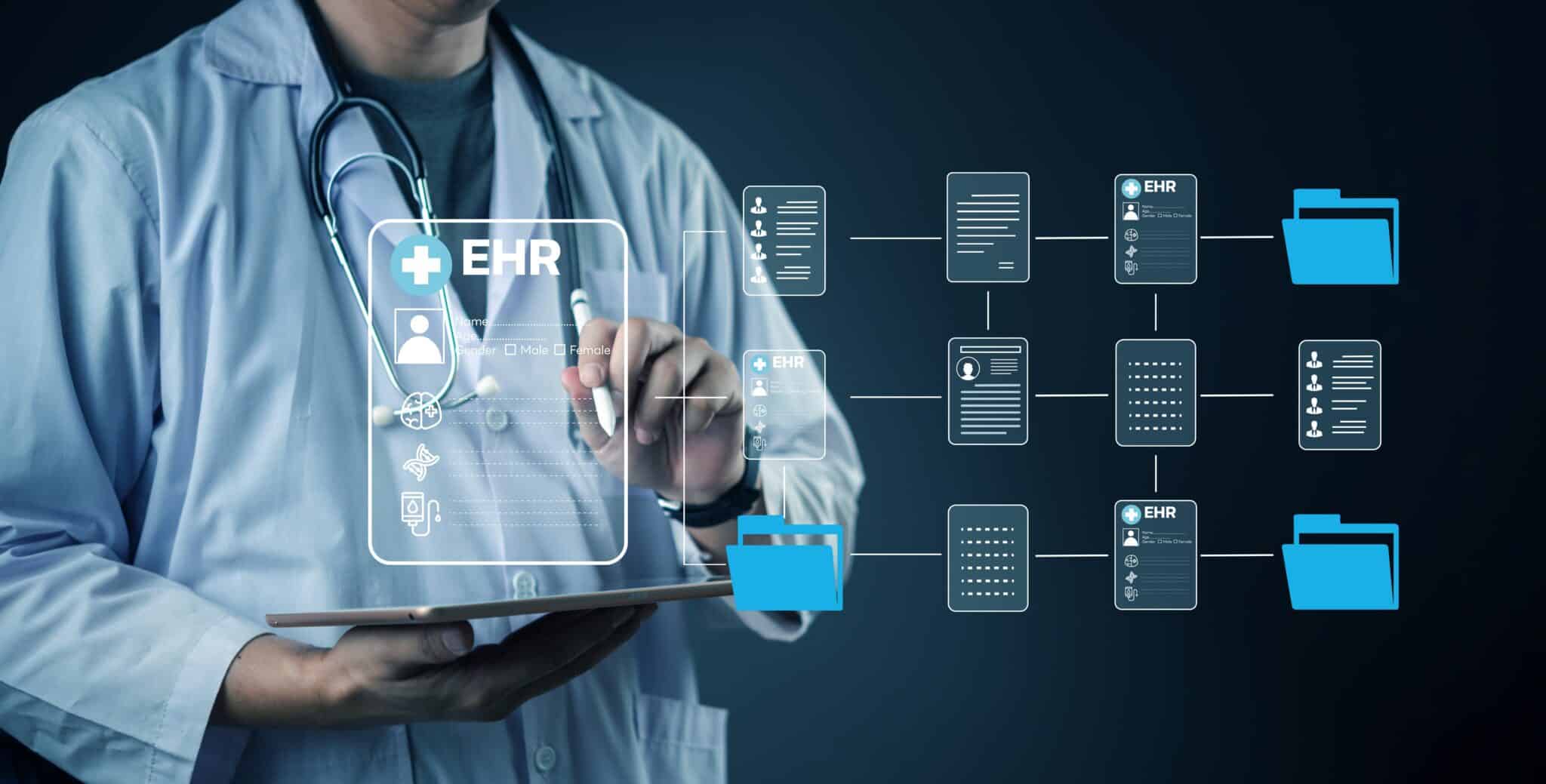
Make Better Language Access Decisions
Language access generates valuable data, but it is often stored across multiple systems, departments, and vendors. Centralize reporting to gain a clearer understanding of changing language needs and make more informed decisions

Turn Activity Into Insight
See the Full Picture
Bring interpretation, translation, and language access data together to understand usage, demand, costs, and service activity.

Spot Trends Early
Identify changes in language needs, service demand, and resource utilization before they become larger operational challenges.

Support Better Decisions
Use reporting to guide staffing, budgeting, vendor management, language access planning, and program improvement efforts.

Questions Analytics Can Answer
Turn language service activity into information that supports planning and decision-making.

Understand which languages, departments, and locations are driving demand.
Track service usage by language, business unit, location, and program to better understand where language support is being used and where needs may be changing.

Identify what is working and where service gaps may exist.
Monitor response times, fulfillment rates, service volume, and other key metrics to understand program performance and identify opportunities for improvement.

Understand where language service spending is occurring.
Analyze usage and spending trends across departments, service types, languages, and locations to support budgeting and resource planning.

Understand how language services are being used over time.
Analyze usage patterns across languages, departments, locations, and service types to support planning and resource allocation.
Why Language Data Matters
Use reporting to support planning, resource allocation, and program improvement.
Make decisions based on actual language service activity.
Use historical trends and current usage data to support staffing decisions, budget planning, and long-term language access strategies.
Understand where resources are needed most.
Identify high-demand languages, locations, and service types to allocate resources where they can have the greatest impact.
Give leaders the information they need to make decisions.
Provide reporting that explains demand, spending, service activity, and program performance.
Prepare for changes in language demand before they happen.
Use reporting trends to anticipate growth, adjust service strategies, and plan for future language access requirements.
Centralize Language Access in One Platform
Achieve better outcomes for your clients by designing the best language access program—using one, centralized system.
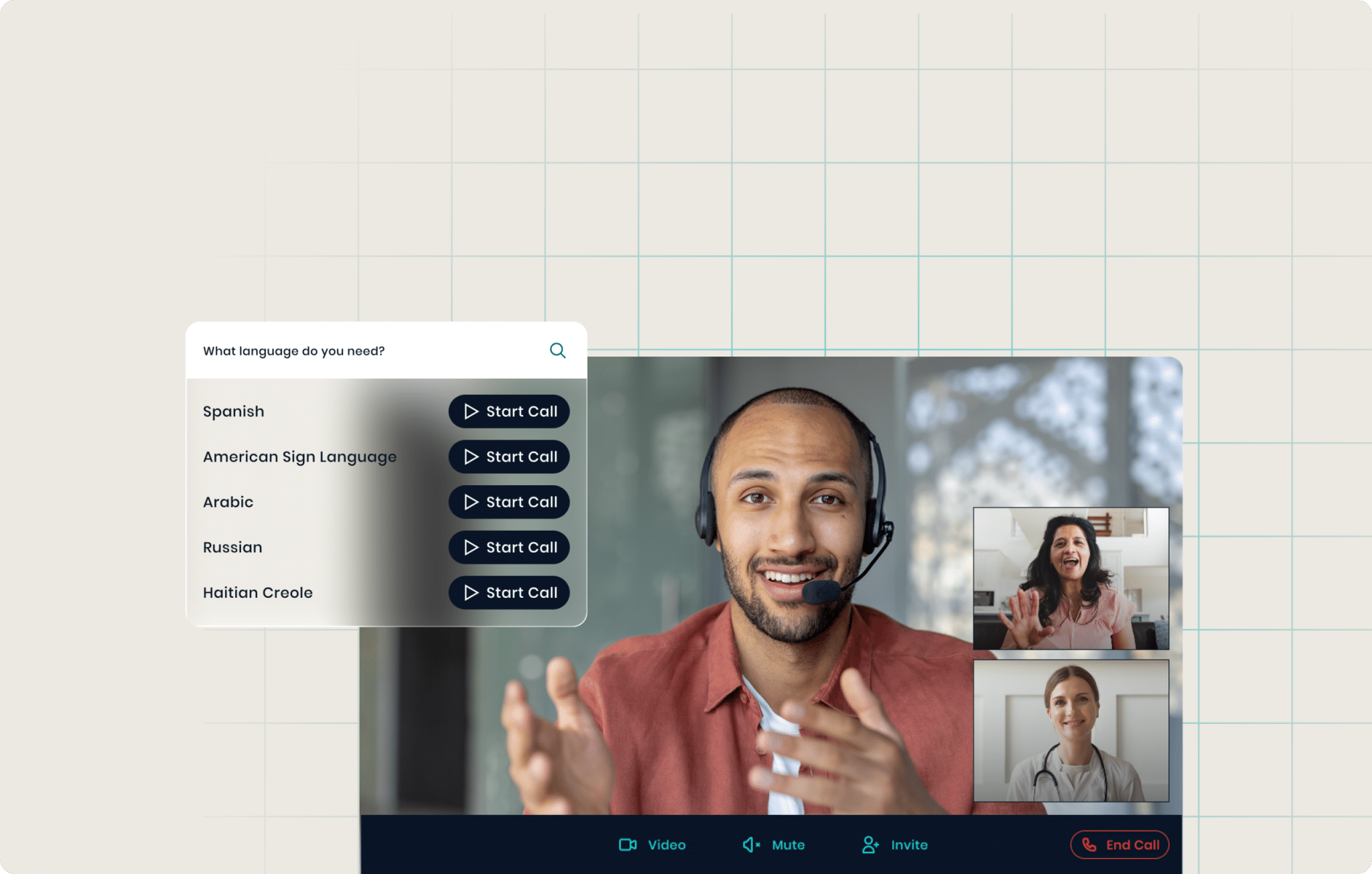
Interpretation
Connect in seconds to qualified interpreters over video,
phone, and in person.
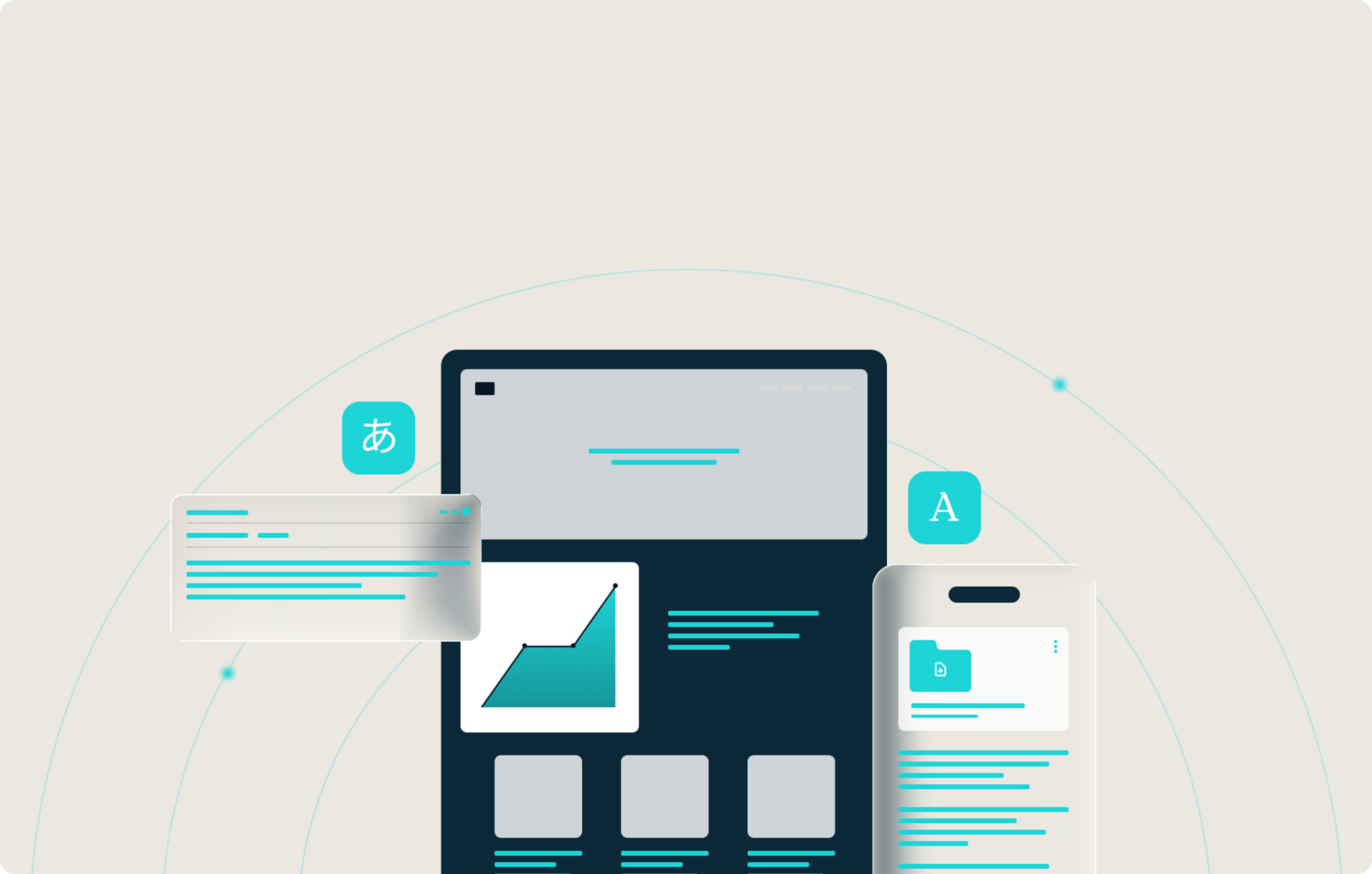
Translation and Localization
Adapt documents, websites, apps, and media for multilingual audiences.
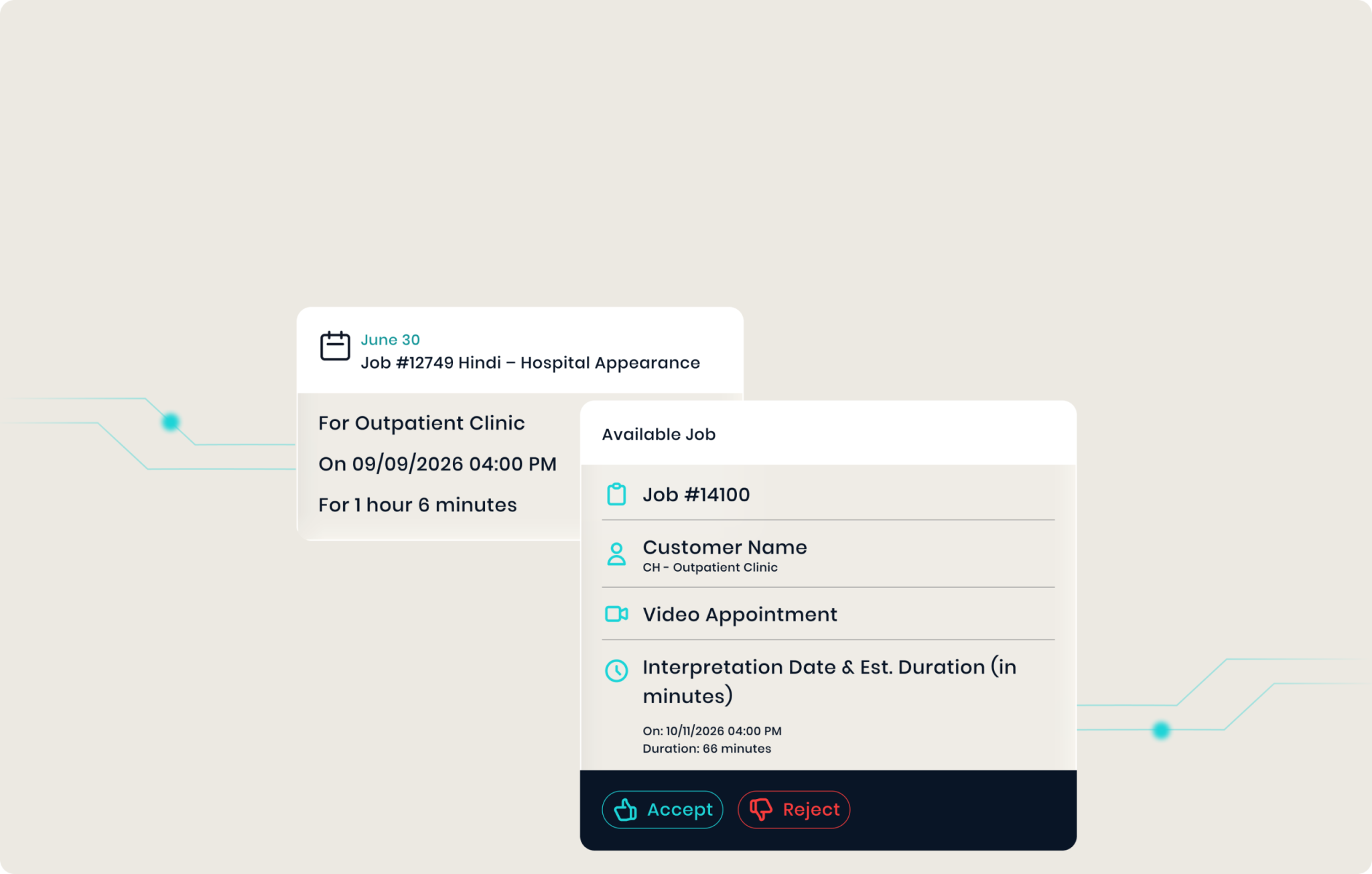
Resource Management
Manage interpreter requests, scheduling, fulfillment,
and reporting in one system.
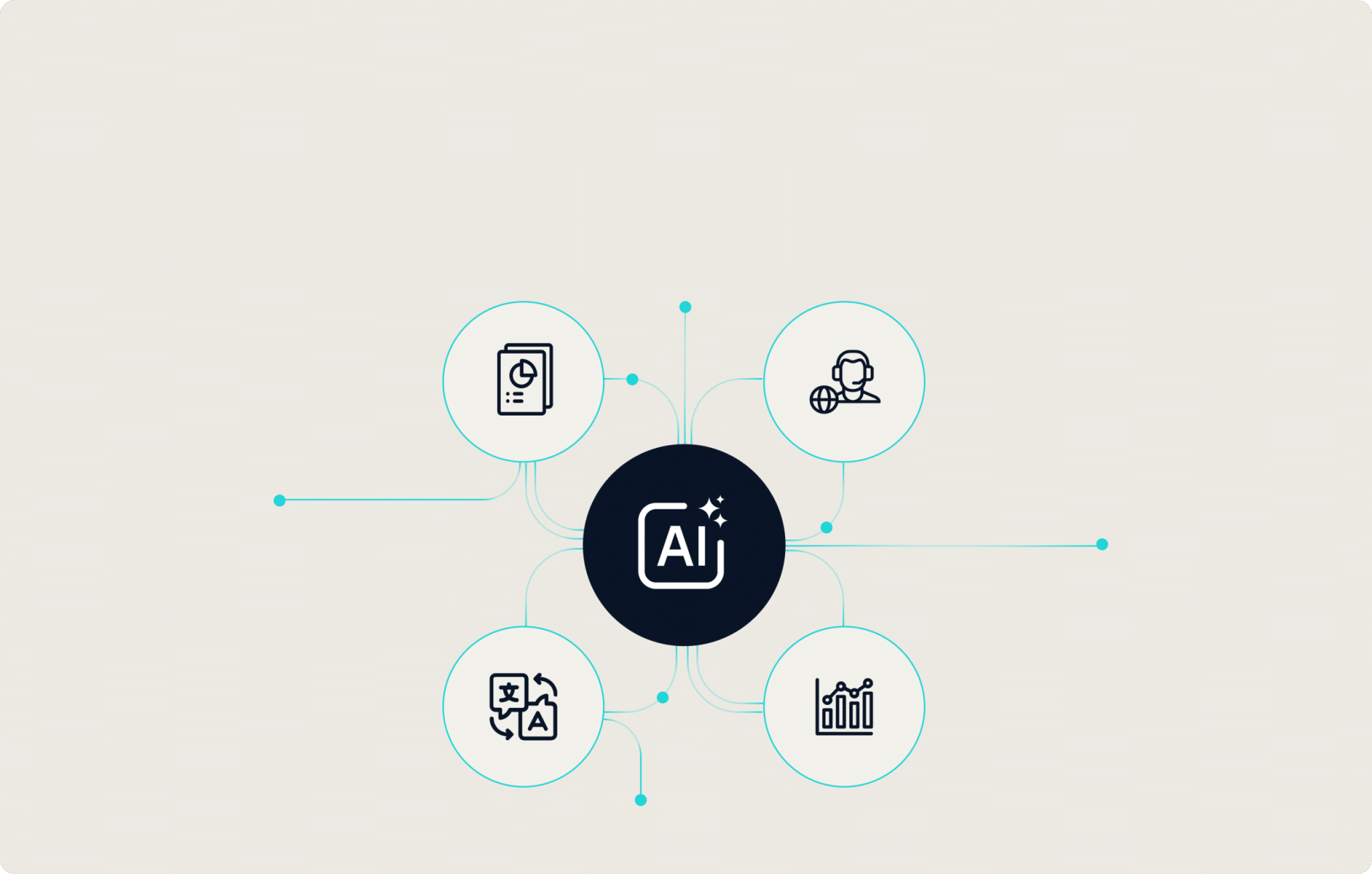
AI and Technology
AI-powered workflows with human review and oversight.
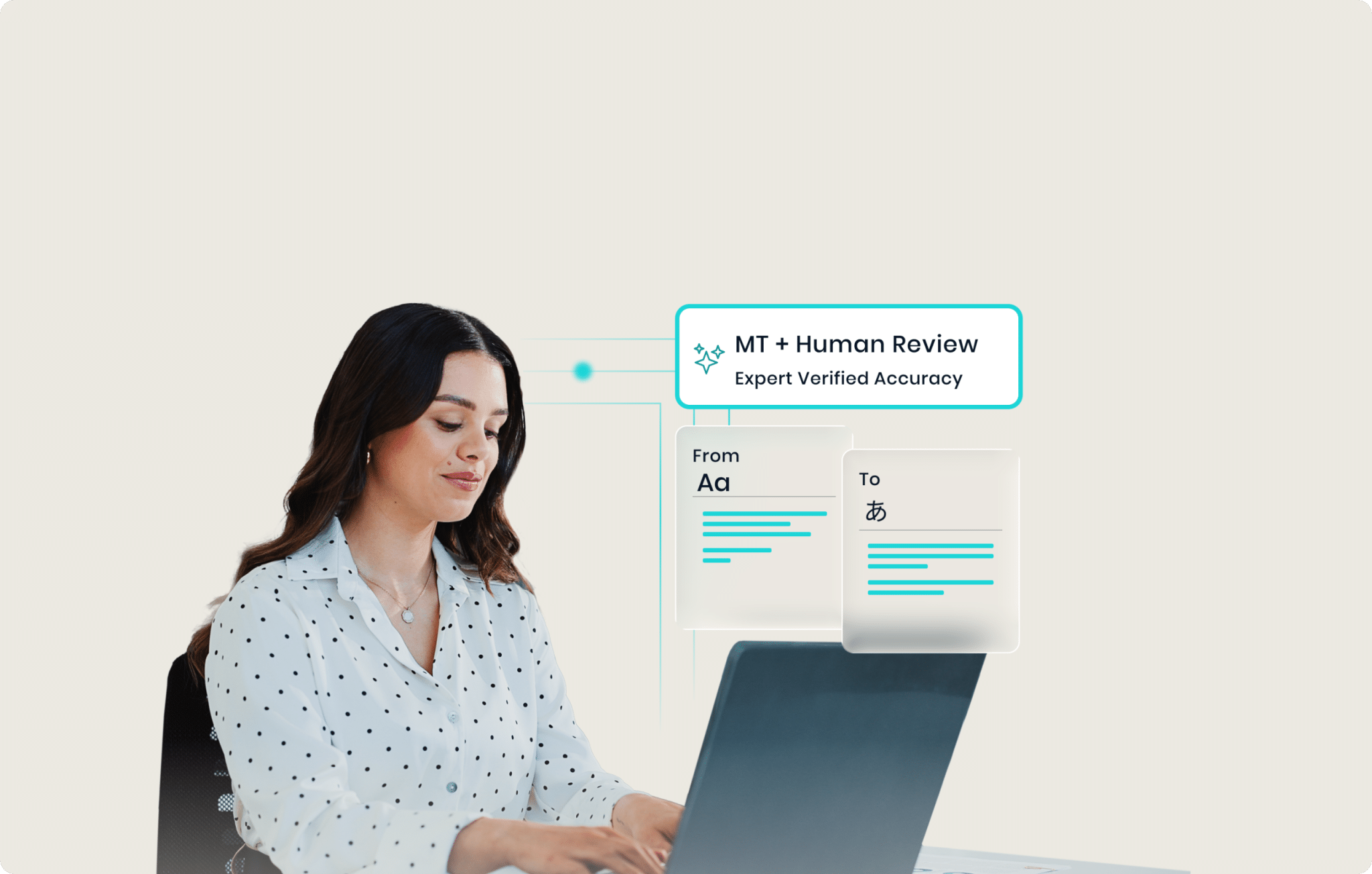
Translation Technology
Automate high-volume multilingual content workflows
from start to delivery.
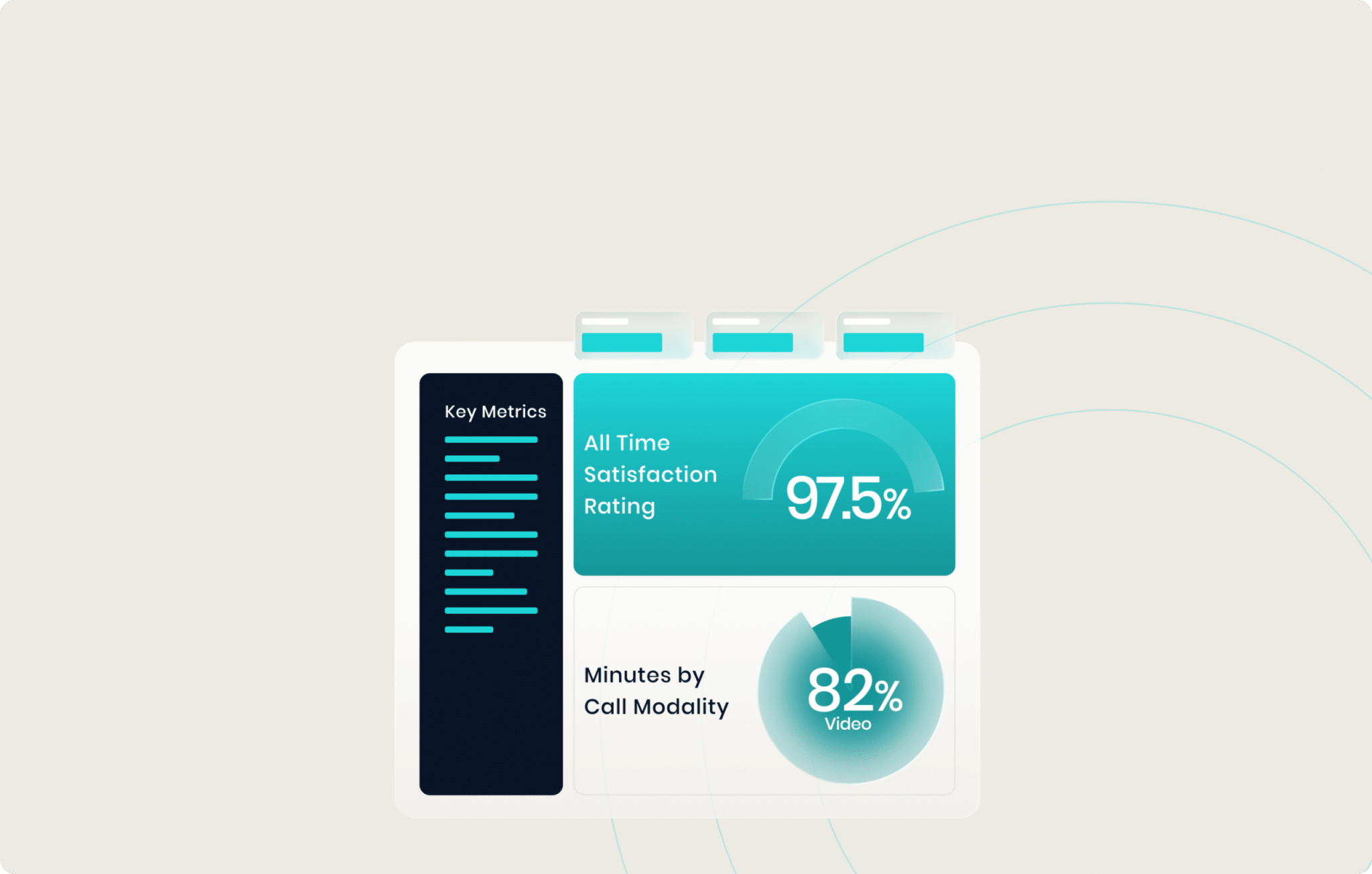
Analytics
Track operations and usage metrics in real time
and view audit-ready reports.
See Propio ONE at Work
See how organizations use Propio ONE for multilingual communication and language operations.

Language Access and Real-Time Communication
Offer real-time communication with people who have limited English proficiency.

Multilingual Digital Experiences
Localize websites, apps, software, and media for multilingual audiences.

Compliance and Regulated Communication
Manage regulated communication with secure processes, documentation, and audit-ready reporting.

Internal Workflow Integration and Automation
Embed language support into existing systems and automate repeatable multilingual work.
Analytics and Reporting for Language Programs
Track language demand, usage, costs, and performance across teams and locations.

Customer and Member Engagement
Support customers and members in their preferred language throughout their experience.

Brand, Product, and Market Expansion
Adapt campaigns, product content, and brand messaging for new markets and audiences.

Training and Workforce Development
Translate and localize training content so employees can learn in their preferred language.
850M+
Minutes Interpreted Annually
255M+
Words Translated Annually
Connected Language Solutions
Access interpretation, translation, localization, AI, and language operations through a single partnership.
Qualified Linguists at Scale
Connect with specialized language professionals selected for your industry and communication needs.
Technology That Fits Existing Workflows
Embed language support into the systems and processes your teams already use.
Your Questions, Answered
Get answers to common questions about how analytics and reporting work, which metrics you should track, and how these insights can improve compliance.
Language analytics provides insight into which languages are being requested most often, where demand is increasing, which departments use language services most frequently, and how service usage changes over time.
Reporting can identify service gaps, changes in language demand, high-volume locations, and opportunities to improve service delivery.
Historical usage trends show where language services are being used, which languages generate the most demand, and how spending is distributed across departments, locations, and service types.
Analytics can be used to reveal shifts in language demand, emerging language populations, and changing service usage patterns.
Yes. Reporting can often be organized by department, location, language, service type, or program, showing where language services are being used and where additional resources may be needed.
Analytics make it easier to track how language services are being delivered over time. Reporting can provide documentation on usage, demand, service levels, and other metrics that may be needed for audits, reviews, and compliance reporting.
Ready to Streamline Communication?
Connect your teams with language solutions built for speed, accuracy, and compliance.