

Language Solutions for Global Technology Products
Software, mobile applications, digital platforms, and online services often extend beyond a single market. Translation and localization are frequently used in product development, releases, support content, and ongoing updates.

Localization Must Keep Pace With Development
Software, mobile applications, websites, support content, and product documentation are frequently updated throughout the product lifecycle. As products expand into new markets, localization often becomes part of ongoing development and release processes.
Continuous Product Updates
Software releases, feature updates, product documentation, and user-facing content often require ongoing localization. Translation workflows keep multilingual content aligned with ongoing development and release cycles.
Technical and Product Content
User interfaces, help content, product documentation, release notes, and knowledge base articles often contain product-specific terminology. Translation solutions maintain consistent terminology across content types while supporting release timelines and audience requirements.
Localized User Experiences
User interfaces, navigation, notifications, and product content should feel natural in each language. Terminology management, linguistic review, and localization testing identify issues before release.
Language Solutions for Every Tech Workflow
Translation and localization are frequently incorporated into product development, customer engagement, and ongoing product updates.

Software and App Localization
Localize user interfaces, navigation, and in-app content for multilingual audiences.

Continuous Product Updates
Localize feature releases, product updates, and new functionality as products evolve.

Help Center Localization
Translate knowledge base articles, FAQs, and support resources for global users.

Customer Support
Interpretation for customer support interactions, troubleshooting, and account assistance.

Marketing Website Localization
Localize websites, landing pages, and campaigns for regional markets and audiences.
User Onboarding Content
Localize onboarding materials, product tutorials, and training content for new users.

Developer Docs and APIs
Translate developer documentation, API references, and technical resources.

Product Demos and Multimedia
Localize product videos, demonstrations, webinars, and multimedia content.
Technical Translation for Digital Products
Software products generate a wide range of technical content, including user interfaces, release notes, knowledge base articles, developer documentation, and API references. Translation workflows adapt to different content types, from highly technical documentation to customer-facing product experiences. Apply human translation, machine translation, or machine translation with human review based on release timelines and content requirements.

Software and App Localization
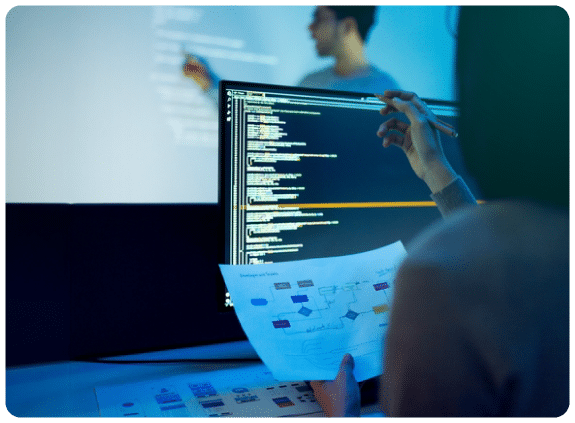
Localization extends beyond translation. User interfaces, navigation, notifications, onboarding flows, and in-product content often require adaptation for different languages and markets. Localization workflows fit within ongoing development cycles, making it easier to release updates, features, and digital experiences for multilingual audiences.
Multilingual Customer Support
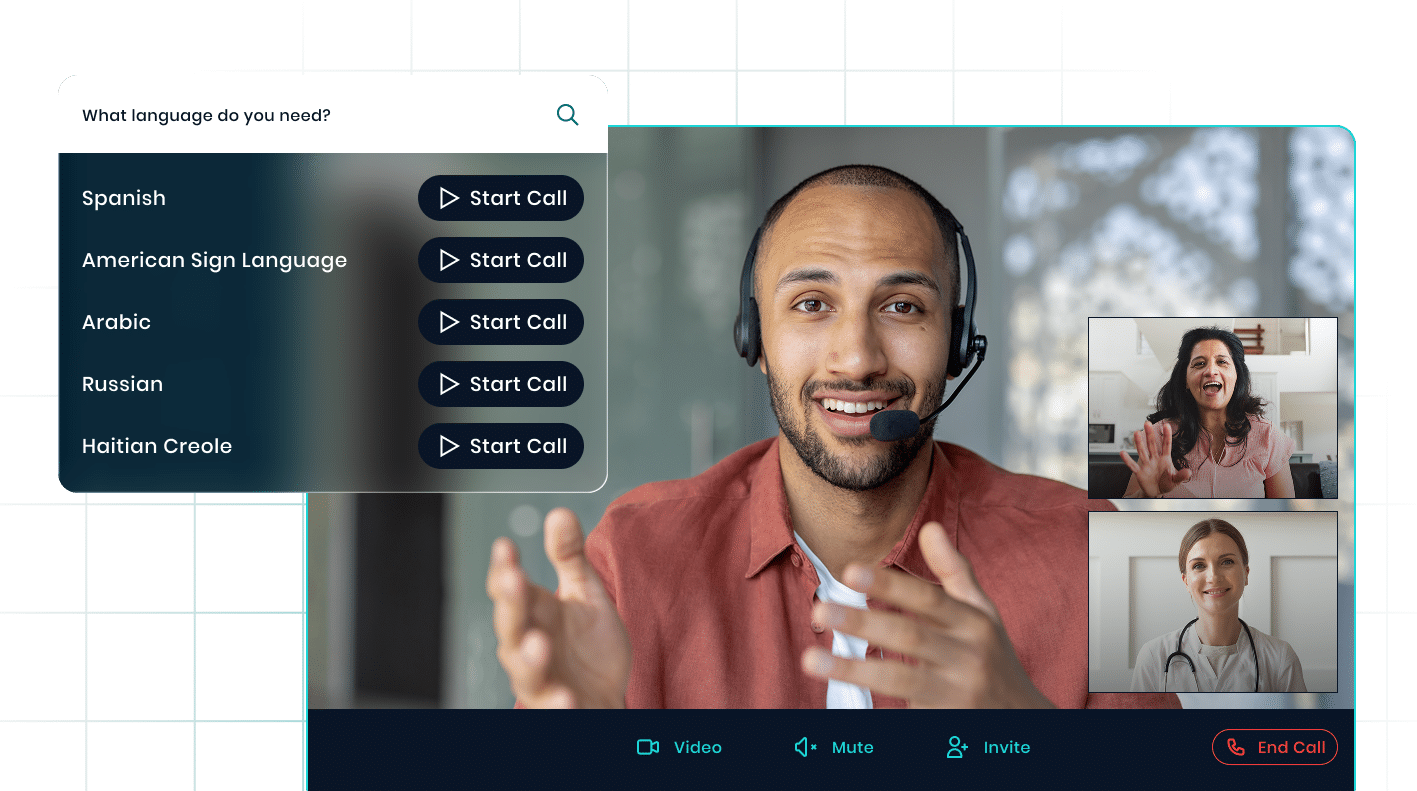
Customer questions, troubleshooting conversations, onboarding sessions, and account support interactions may occur in many languages. Phone, video, and on-demand interpretation connects customers and support teams in every language.

Centralize Language Access in
One Platform
Achieve better outcomes for your clients by designing the best language access program—using one, centralized system.
Interpretation
Customer support, troubleshooting, onboarding, tech assistance
Translation and Localization
User interfaces, mobile apps, websites, in-product content
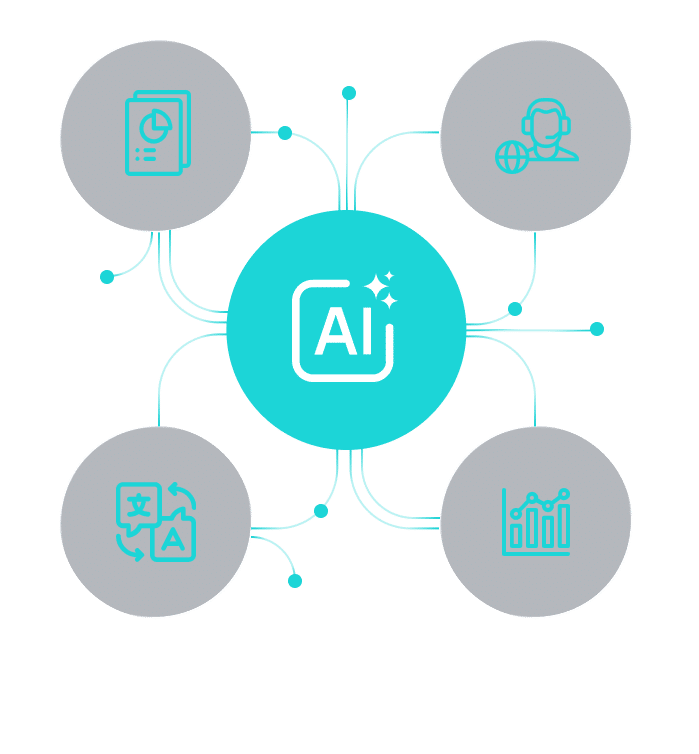
AI and Technology
Incorporated into release cycles, content updates, workflows
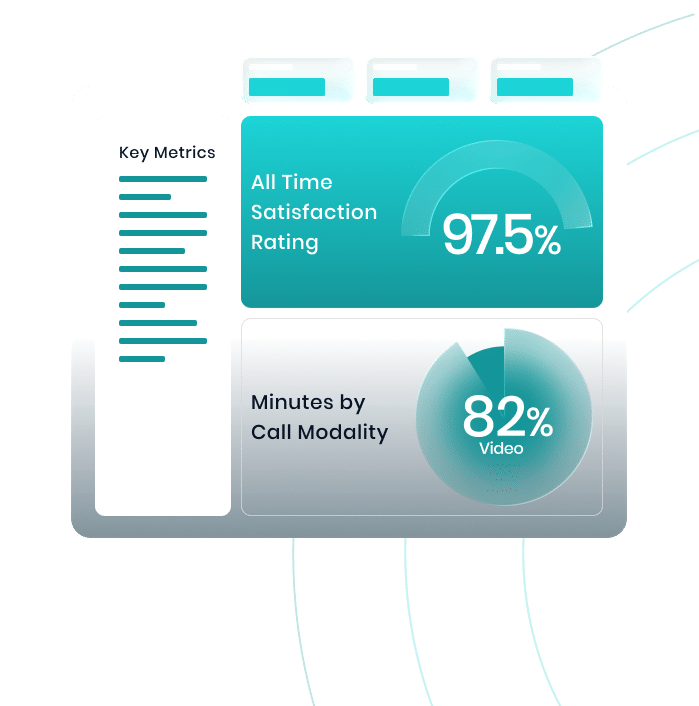
Analytics
View volume, project status, activity tied to product releases
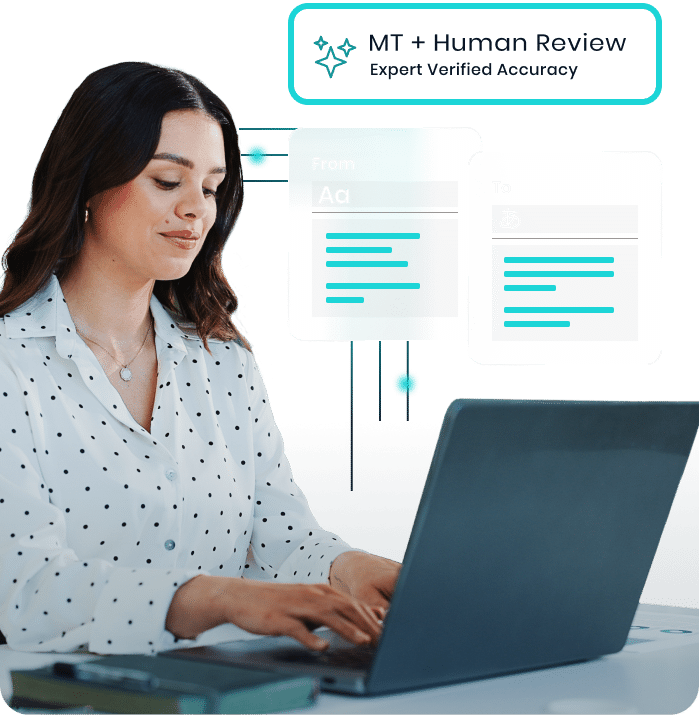
Translation Technology
Human and machine translation for software and product content
Integrations
Development Platforms and Repositories
Source code repositories, UI strings, and content updates can be incorporated into localization workflows during development.
CMS Platforms
Website content, product documentation, and knowledge base articles remain connected to existing content workflows.
Localization and TMS Integrations
Translation requests, languages, content updates, and review processes can be managed from a central location.

Customer Support Platforms
Interpretation and translated content can be incorporated into customer support interactions and self-service resources.
CRM Systems
Customer communications, language preferences, and support activity remain connected to existing customer records.

Product Analytics Tools
Localization activity and language usage can be evaluated alongside product adoption and user engagement metrics.

Videoconferencing Tools
Incorporate interpretation into webinars, customer meetings, product demonstrations, and training events.
Latest Insights


Frequently Asked Questions
Get answers to common questions about language solutions for technology and software providers.
Product releases, feature updates, UI changes, and content updates can be incorporated into ongoing localization workflows. Integrations with development and content management systems reduce manual handoffs during release cycles.
Yes. Integrations are available for source code repositories, development environments, APIs, and other technologies commonly incorporated into software development workflows.
Translation memories, approved terminology, style guides, and review processes can be maintained across releases, so product content remains aligned as new features and updates are introduced.
New languages, markets, products, and content types can be added as localization requirements expand. Translation workflows may be applied to everything from software interfaces and documentation to websites and customer communications.
Human translation, machine translation, and machine translation with human review can be applied based on content requirements, release timelines, and risk considerations.
Yes. Interpretation can be incorporated into customer support interactions, technical troubleshooting, onboarding sessions, product demonstrations, and account assistance.
Ready to Streamline Communication?
Connect your teams with language solutions built for speed, accuracy, and compliance.