

Language Access Built for Healthcare
Connect patients and care teams through interpretation, translation, and language access services.

Keep Care Moving
Patients need to understand information, ask questions, and communicate with care teams. Language services make those conversations possible without adding delays to care delivery.
Avoid Delays
Time spent locating an interpreter can delay appointments, discharge discussions, and other patient interactions. Immediate interpreter access keeps schedules on track and reduces wait times.
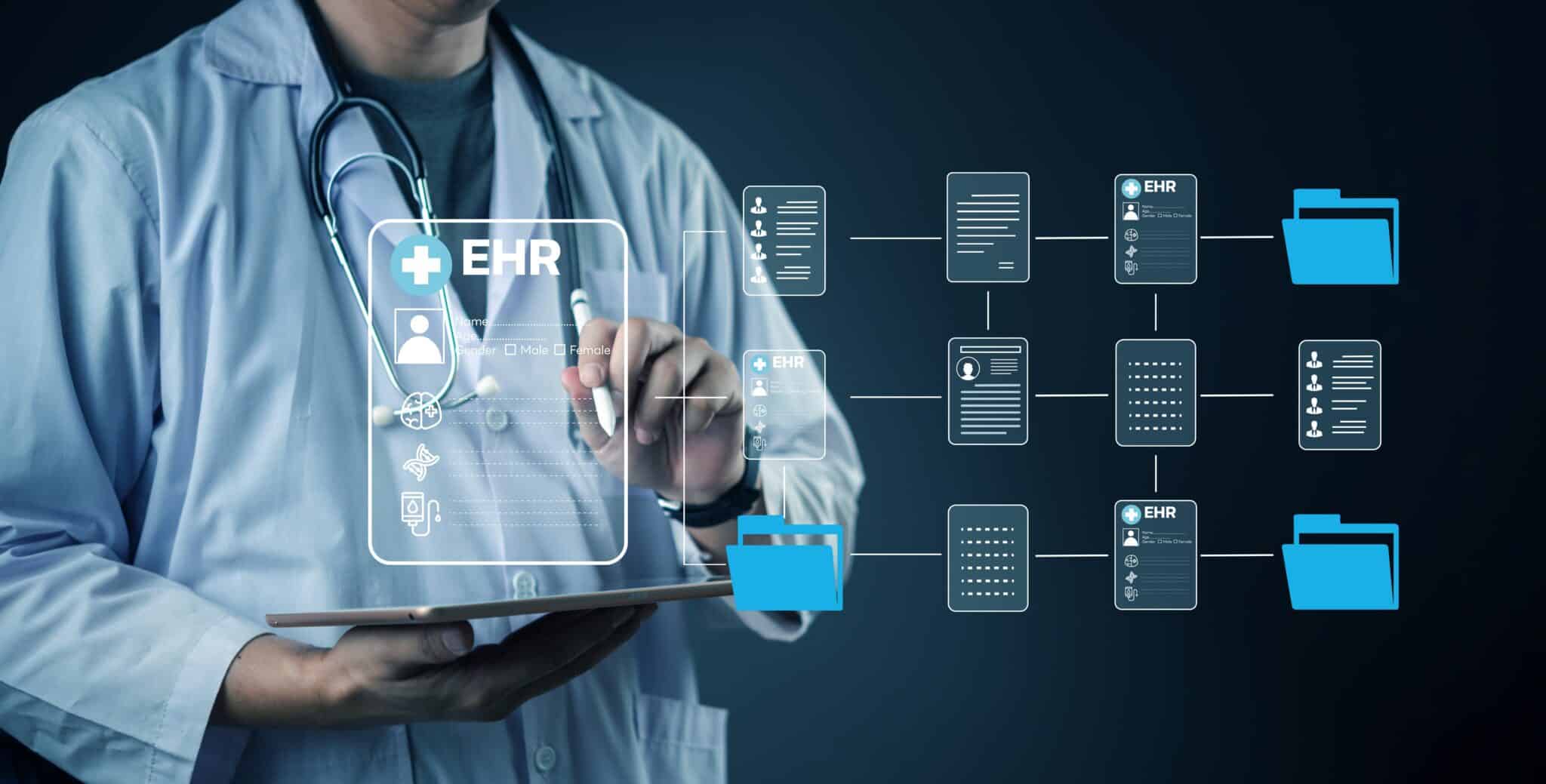
Stay in Your EHR
Moving between systems to access language services takes time away from patient care and documentation. Interpreter access within the EHR keeps communication and documentation in one place.
Reduce Risk
Family members, bilingual staff, and other ad hoc approaches can create documentation, compliance, and communication challenges. Qualified interpretation services provide a consistent approach to language access.
Language Solutions for Healthcare Delivery
Connect patients, providers, and staff through interpretation, translation, and language access services designed for healthcare environments. Access interpreters for appointments and patient interactions, translate documents, verify insurance information, and communicate with patients before and after care.
Connect with interpreters in seconds for patient and provider conversations.
Connect with qualified interpreters in seconds for appointments, patient calls, telehealth visits, scheduling, registration, discharge discussions, and other time-sensitive conversations.
Add face-to-face communication without waiting for an on-site interpreter.
Access interpreters through video for conversations that involve visual communication, American Sign Language (ASL), patient education, or virtual care interactions.
Schedule interpreters for planned appointments and in-person care discussions.
Schedule in-person interpreters for appointments, care discussions, assessments, and other interactions that require a physical presence.
Handle routine multilingual conversations without waiting for interpreter availability.
Handle routine multilingual conversations through AI interpretation with access to human interpreters when needed.
Verify language services coverage before interpretation begins.
Check coverage eligibility before phone or video interpretation services are rendered. Verification occurs in seconds and can reduce administrative work related to claims and reimbursement.
Translate patient-facing documents used before, during, and after care.
Translate registration forms, consent forms, discharge instructions, patient education materials, notices, and other patient-facing documents used throughout the care process.
Standardize and deliver multilingual patient communications at scale.
Create standardized patient communications, translate content into multiple languages, and distribute large-volume mailings through a managed end-to-end process.
Centralize Language Access in One Platform
Achieve better outcomes by designing the best language access program—using one, centralized system.
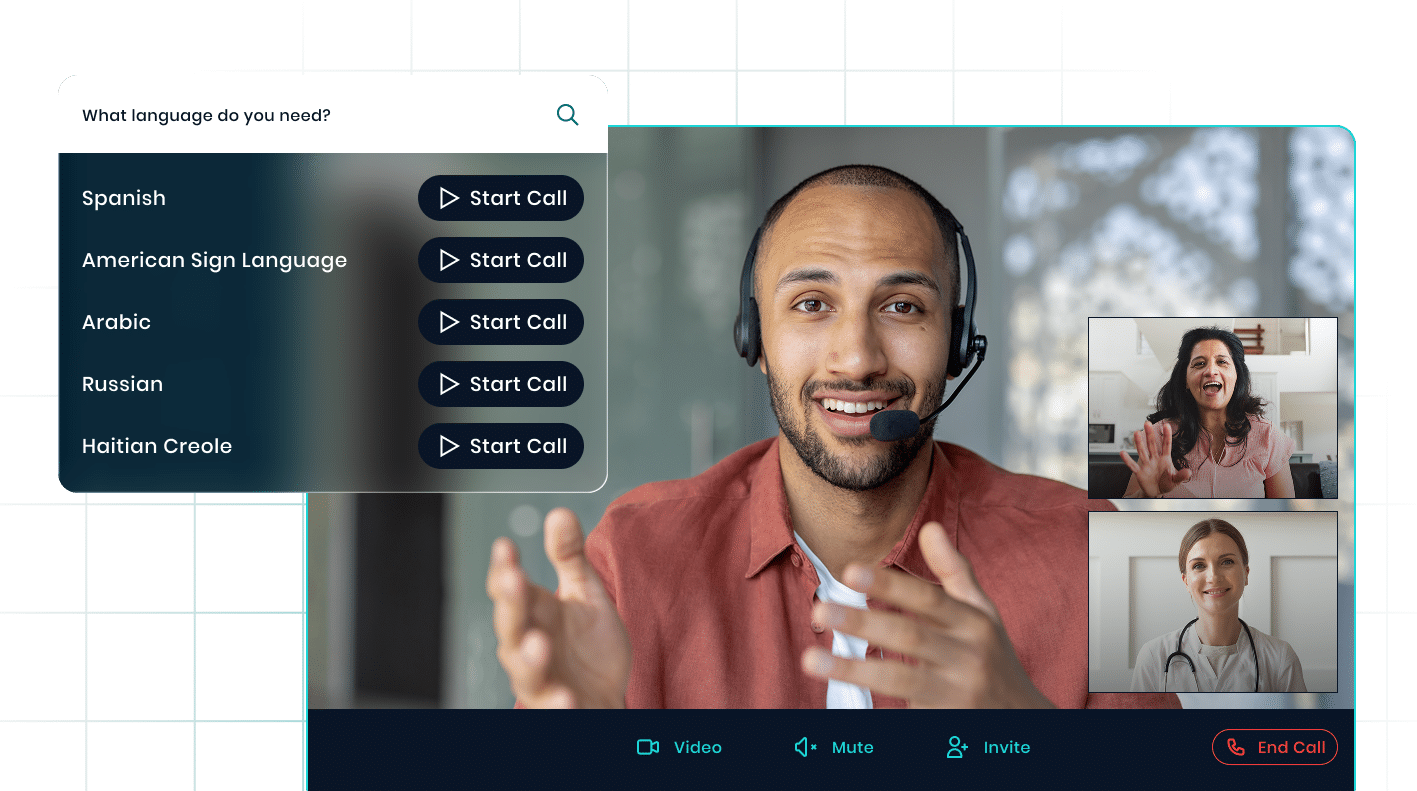
Interpretation
Connect in seconds to qualified interpreters over video, phone, and in person.
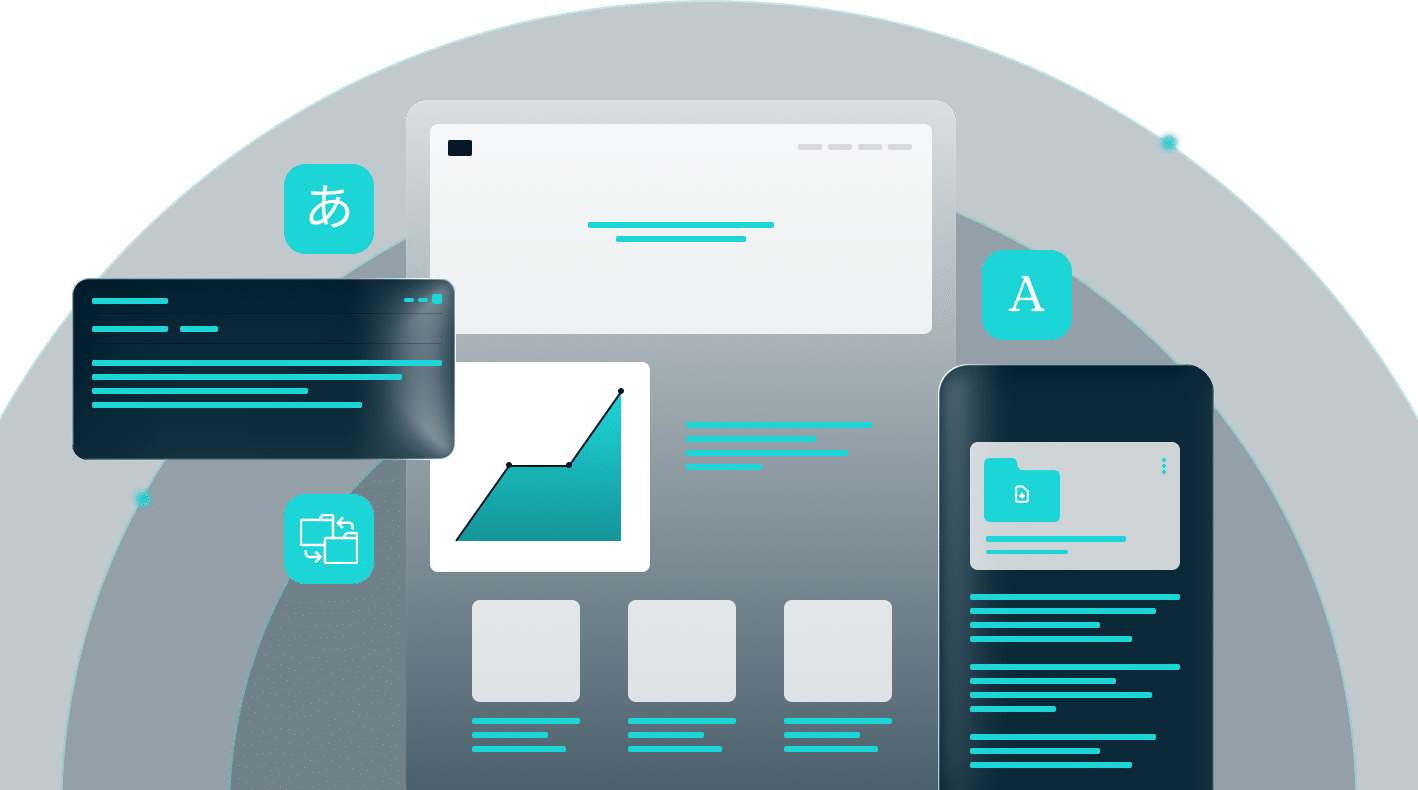
Translation and Localization
Adapt documents, websites, apps, and media for multilingual audiences.
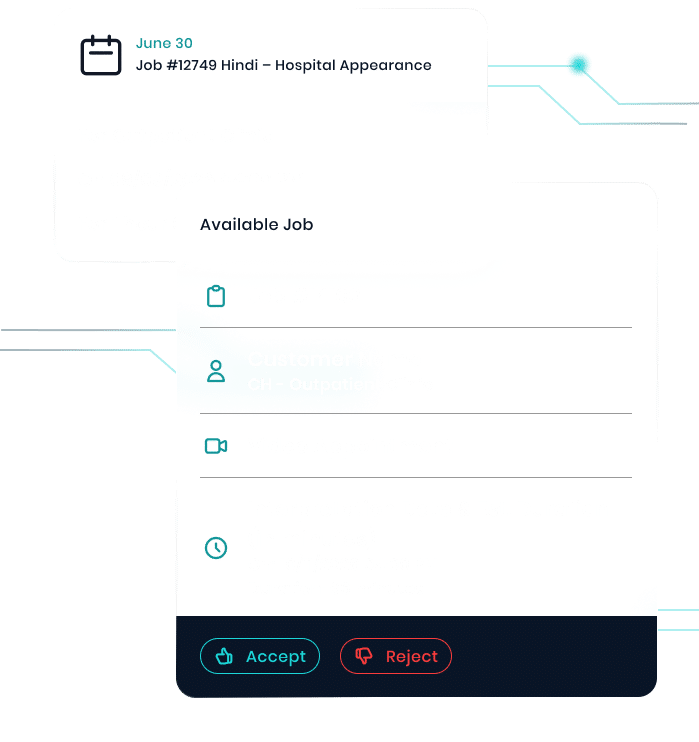
Resource Management
Manage interpreter requests, scheduling, fulfillment, and reporting in one system.
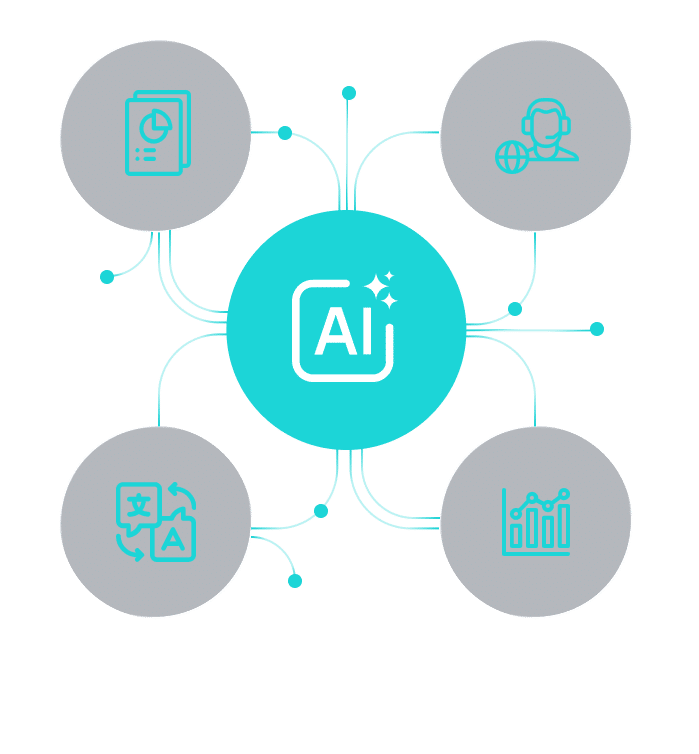
AI and Technology
AI-powered workflows with human review and oversight.
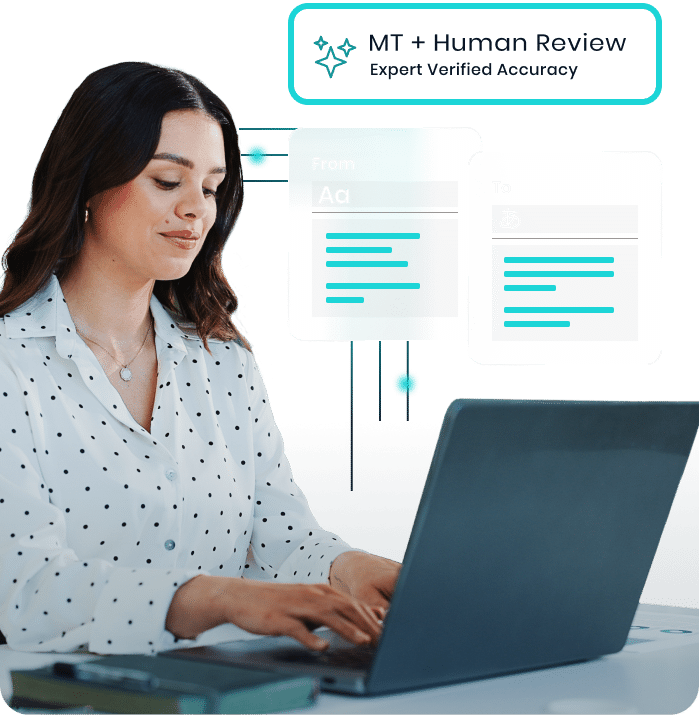
Translation Technology
Automate high-volume multilingual content workflows from start to delivery.
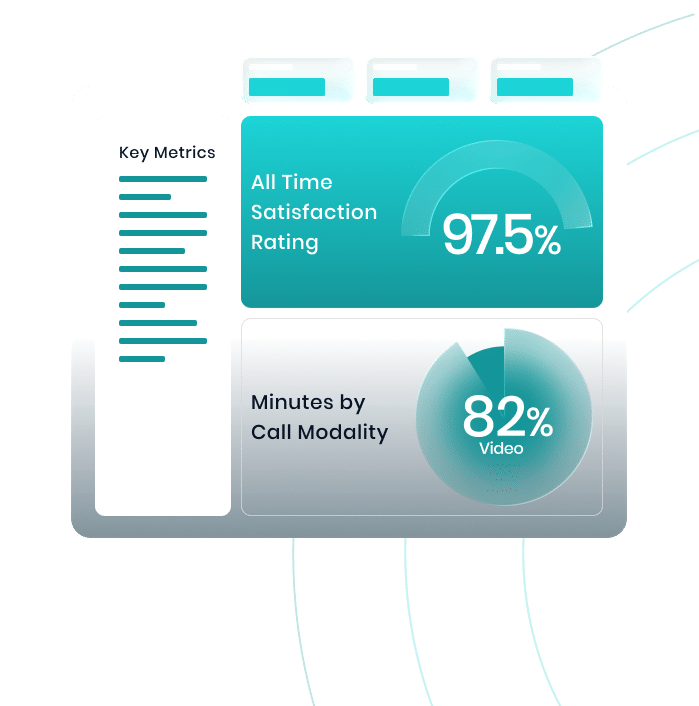
Analytics
Track operations and usage metrics in real time and view audit-ready reports.
The Importance of Medical Interpreters in Healthcare
Learn why qualified medical interpreters play a critical role in patient safety, communication, and quality of care for multilingual populations.

Frequently Asked Questions
Read through our FAQs to learn more about how Propio can support your workflows without adding complexity.
Propio interpreters are available on demand, typically within seconds.
Yes, Propio interpreters are medically qualified and trained in HIPAA compliance. They understand clinical context and confidentiality requirements to support accurate and secure communication.
You can access interpreters through phone, video, or integrated platforms, such as your organization’s EHR. Propio connects directly with your existing workflows or systems for seamless use.
Yes, Propio supports both interpretation and translation of discharge instructions and patient materials. This ensures patients fully understand care plans and follow-up steps, which helps reduce readmissions and improve adherence.
No, Propio is designed to minimize workflow disruption. On-demand access and easy integration allow you to maintain efficiency during patient encounters.
Medically qualified interpretation services improve the patient experience by ensuring accurate, clear communication between providers and patients. Trained interpreters understand clinical terminology and cultural nuances, helping patients feel heard, respected, and confident in their care.
Ready to Streamline Communication?
Connect your teams with language solutions built for speed, accuracy, and compliance.