

Bring Your Brand to New Markets
Prepare websites, campaigns, product content, and customer experiences for new audiences with localization and language services built for growth.

Turn Global Growth Into Local Success
Reach New Audiences
Attract new audiences through localized websites, multilingual content, and market-specific messaging designed for regional markets.

Launch Faster
Prepare websites, marketing campaigns, product content, and customer resources for new markets without rebuilding existing processes or delaying go-to-market plans.

Create Local Experiences
Adapt content, messaging, and customer experiences for each market while maintaining a consistent brand identity across languages and regions.

Solutions for Market Expansion
Prepare your brand and content for new audiences and new markets.
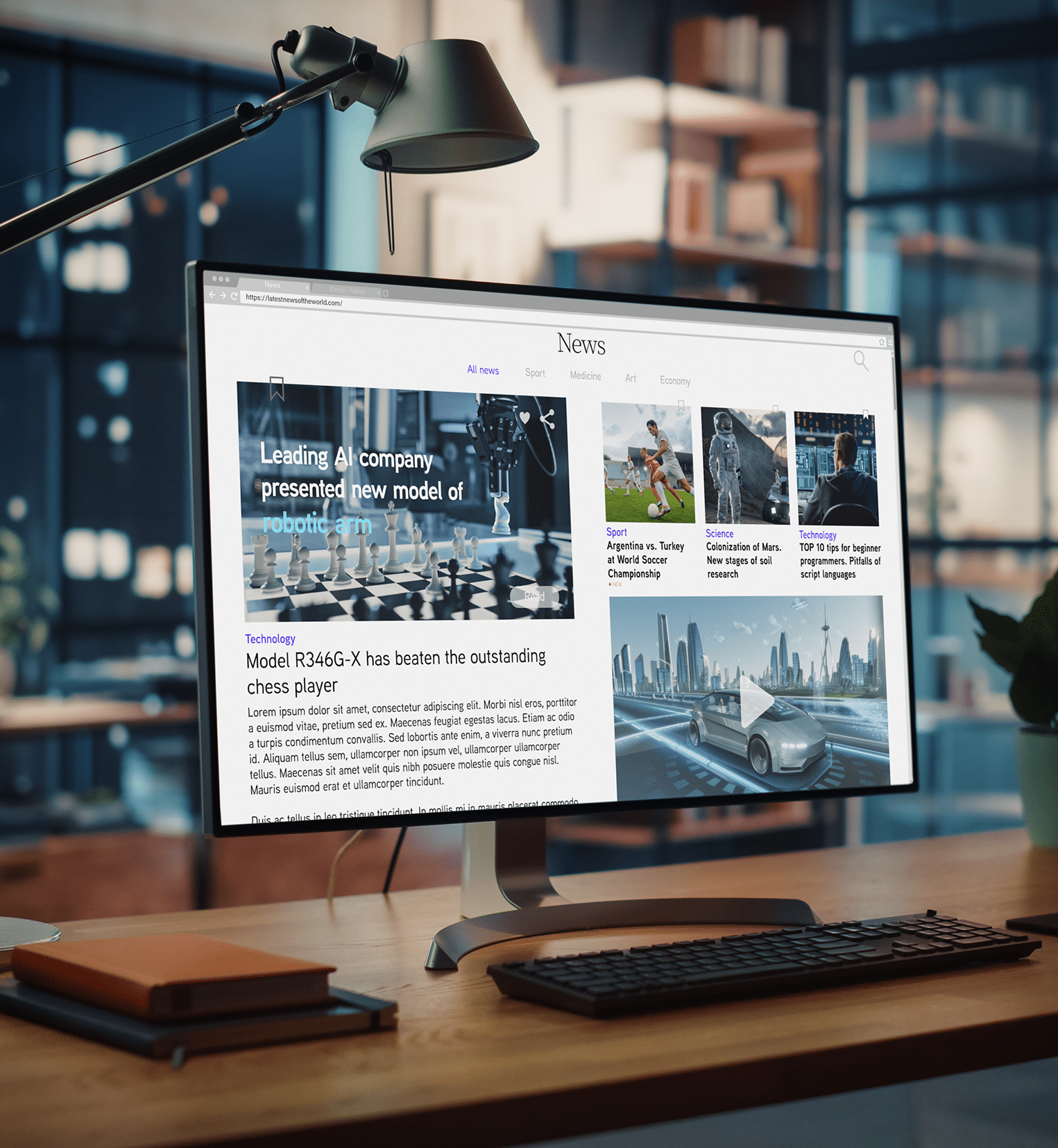
Make your website accessible to audiences in new languages and markets.
Localize website content, metadata, and keywords to improve visibility in local search results and create a more relevant experience for visitors in each market.

Adapt videos and multimedia content for new audiences.
Translate and localize subtitles, voice-over, dubbing, eLearning content, and other multimedia assets so audiences can engage with content in their preferred language.
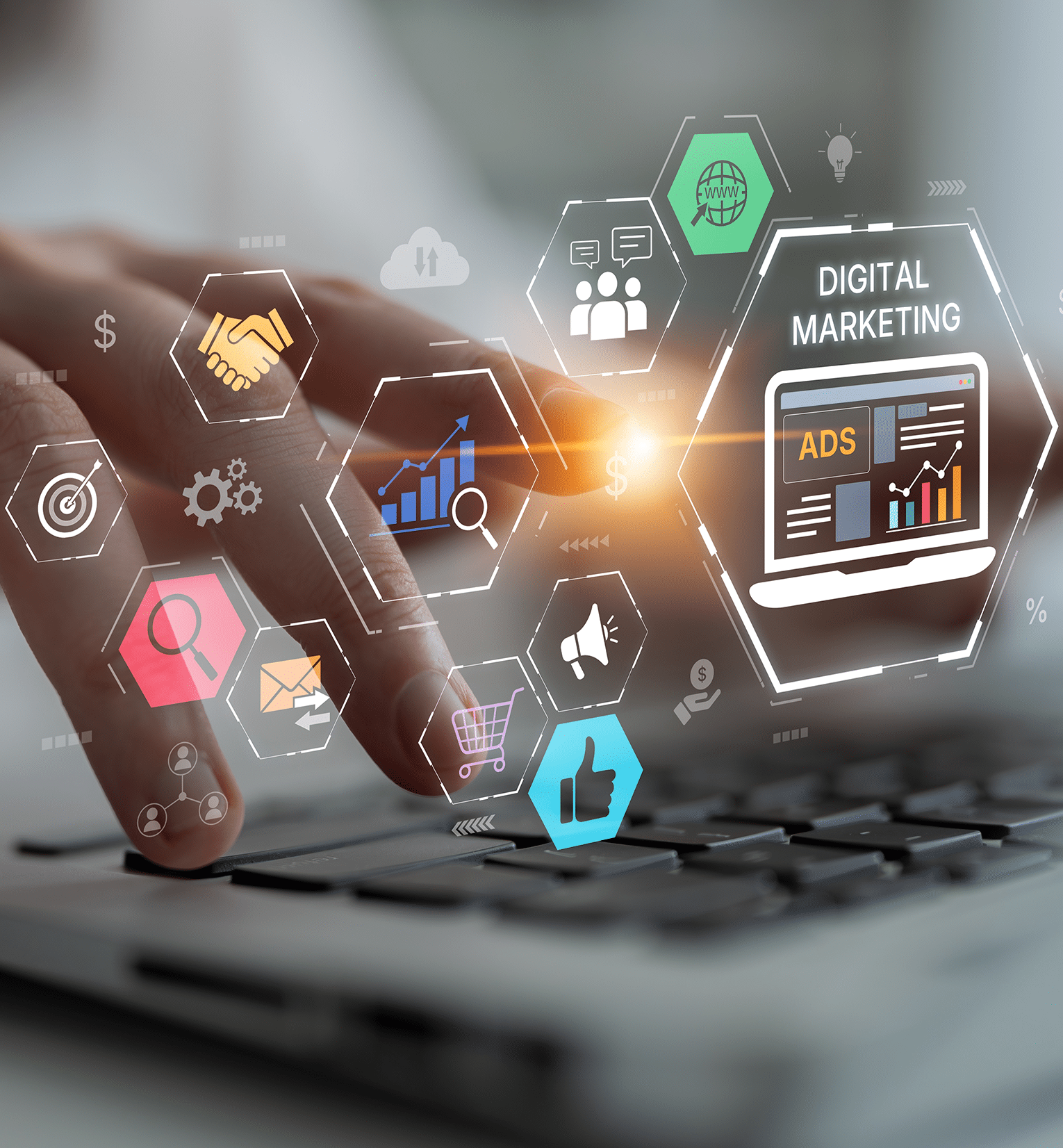
Launch campaigns with messaging tailored to local audiences.
Translate marketing collateral, emails, advertisements, product information, sales materials, and customer communications with consistent brand messaging.

Communicate with customers in new markets after launch.
On-demand phone interpretation allows customer service, account management, and client-facing teams to communicate with customers in their preferred language.
Why Language Matters in New Markets
Language influences how people discover, evaluate, and engage with your brand.
People cannot engage with brands they cannot find.
Localized websites and multilingual SEO improve visibility in local search results, making it easier for potential customers to discover your products and services.
People respond better to content that feels relevant to them.
People are more likely to connect with brands that communicate in ways that feel familiar, relevant, and culturally appropriate.
Localized experiences create more opportunities for audiences to take action.
When customers can understand product information, marketing messages, and support resources, they are more likely to move forward with confidence.
Support does not end after a customer converts.
The customer experience continues after conversion. Multilingual content and communication keep customers informed, engaged, and connected throughout the relationship.
Centralize Language Access in One Platform
Achieve better outcomes for your clients by designing the best language access program—using one, centralized system.
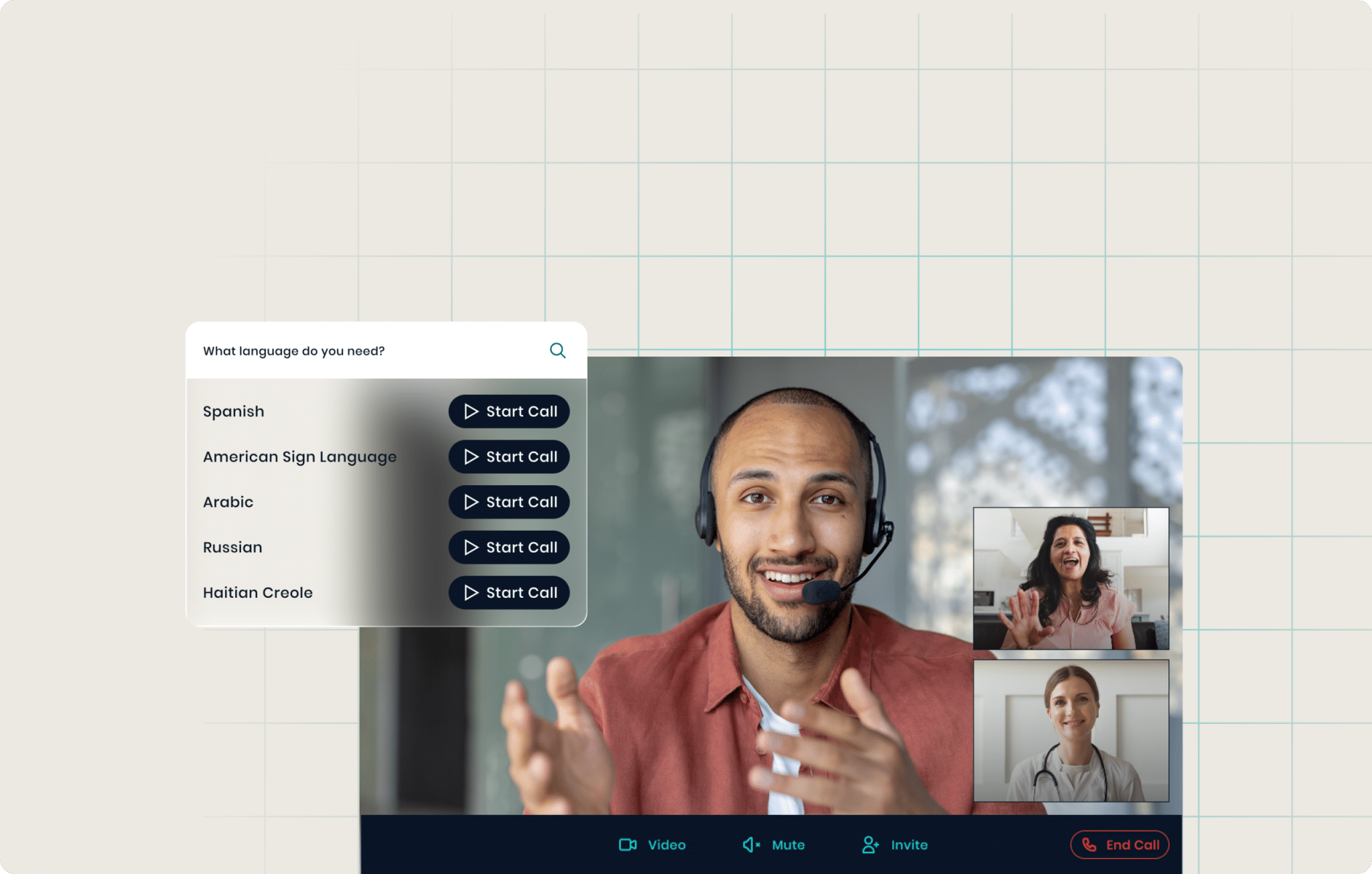
Interpretation
Connect in seconds to qualified interpreters over video,
phone, and in person.
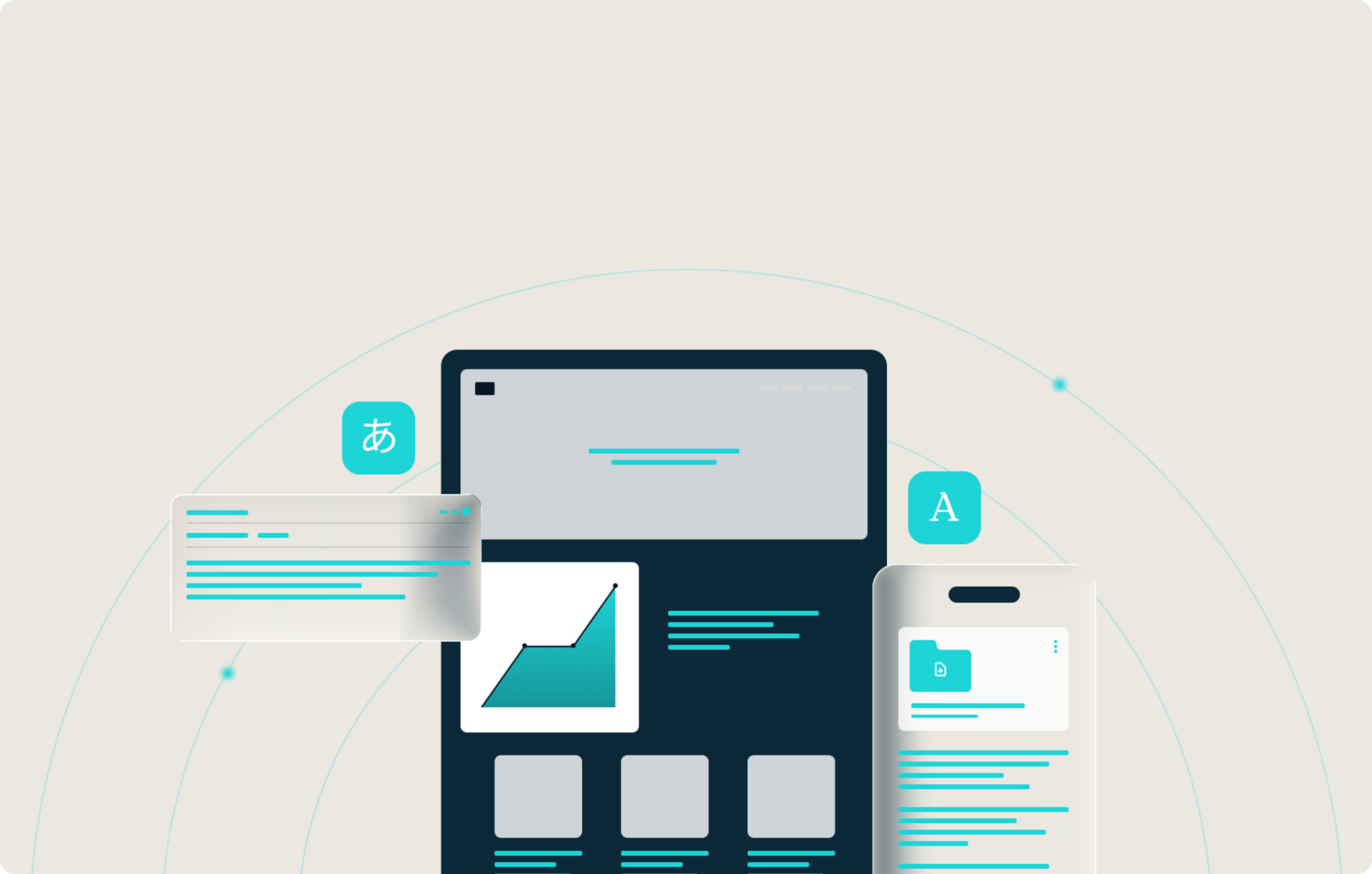
Translation and Localization
Adapt documents, websites, apps, and media for multilingual audiences.
Resource Management
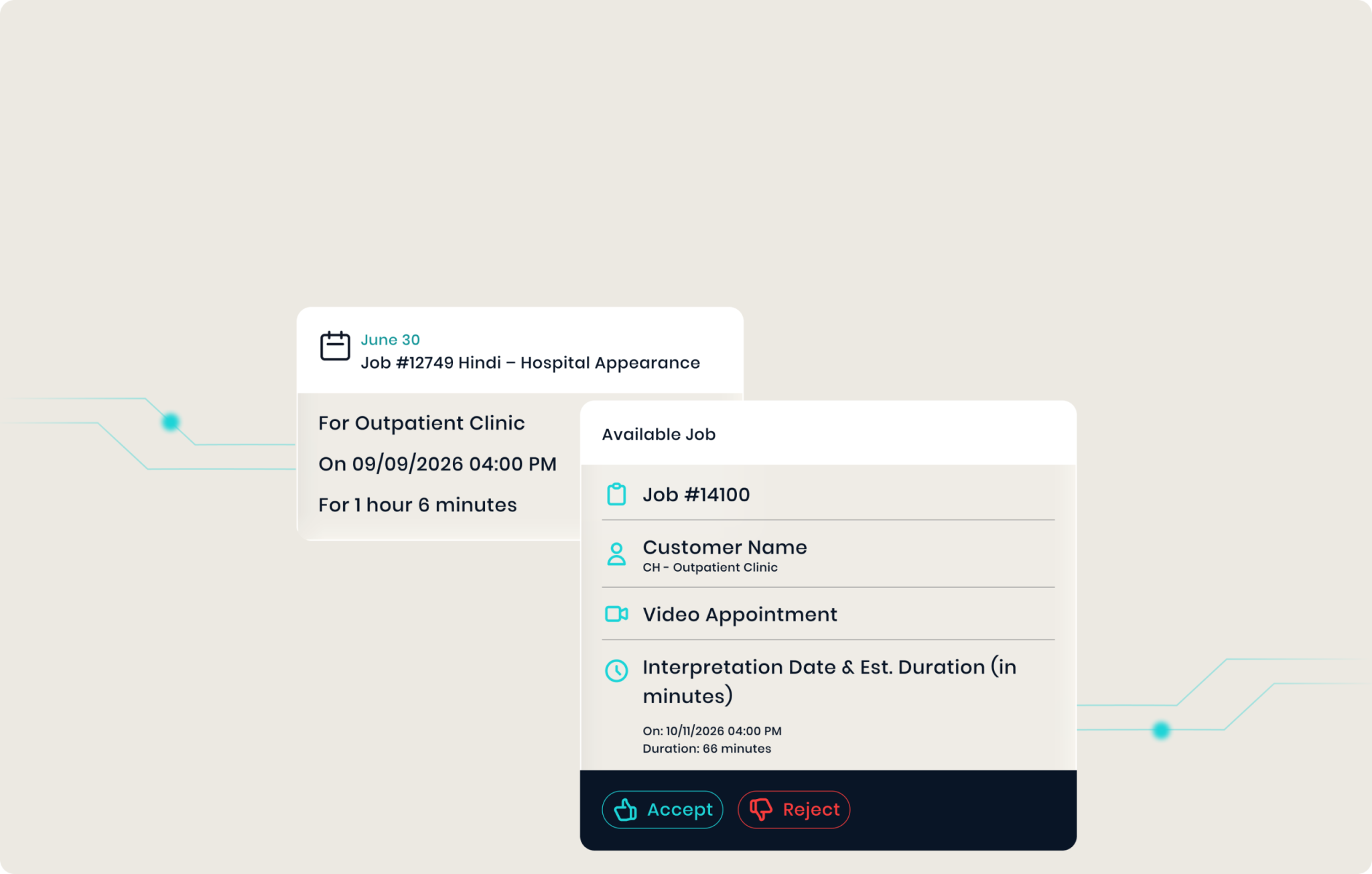
Manage interpreter requests, scheduling, fulfillment,
and reporting in one system.
AI and Technology
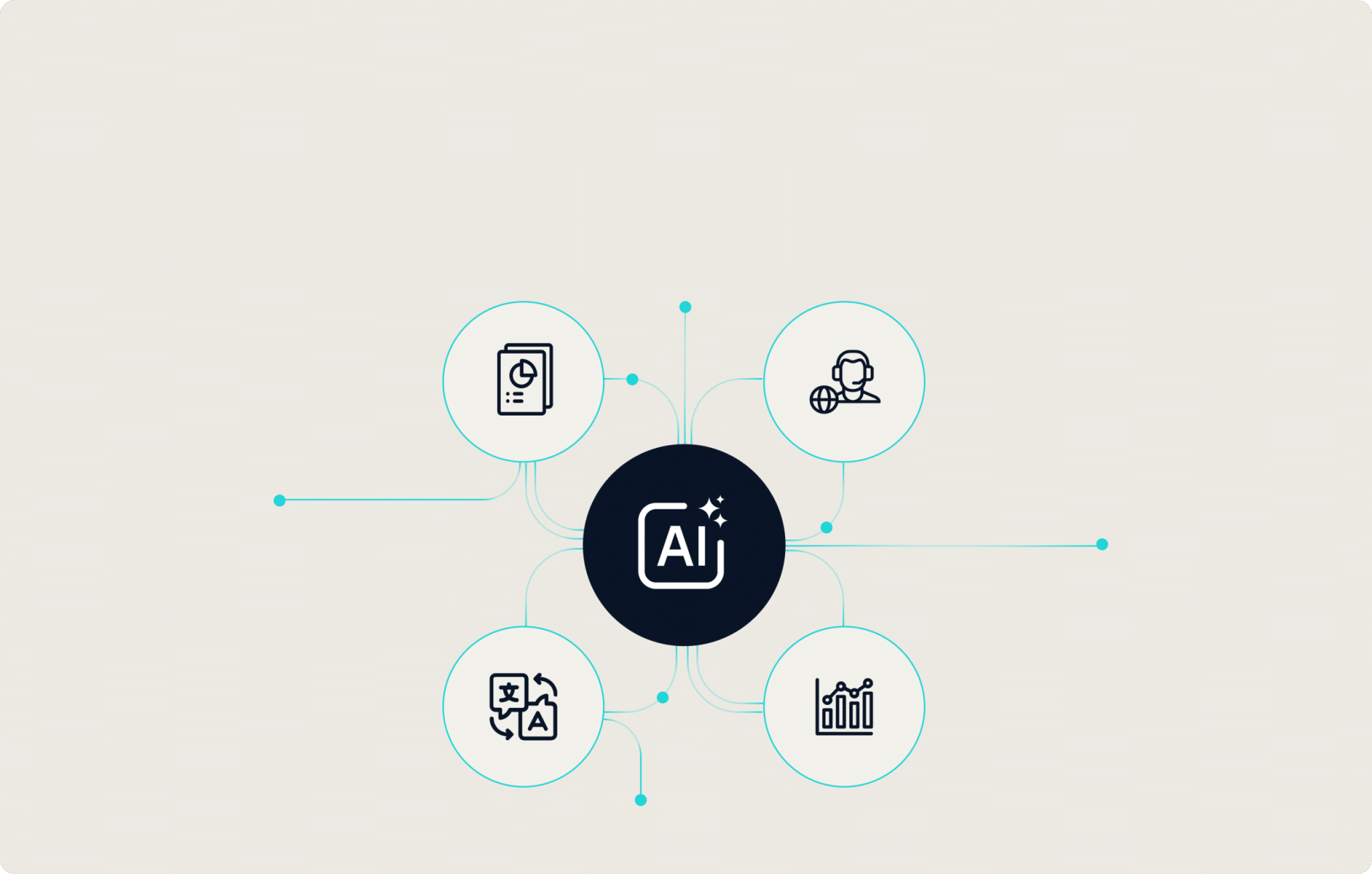
AI-powered workflows with human review and oversight.
Translation Technology
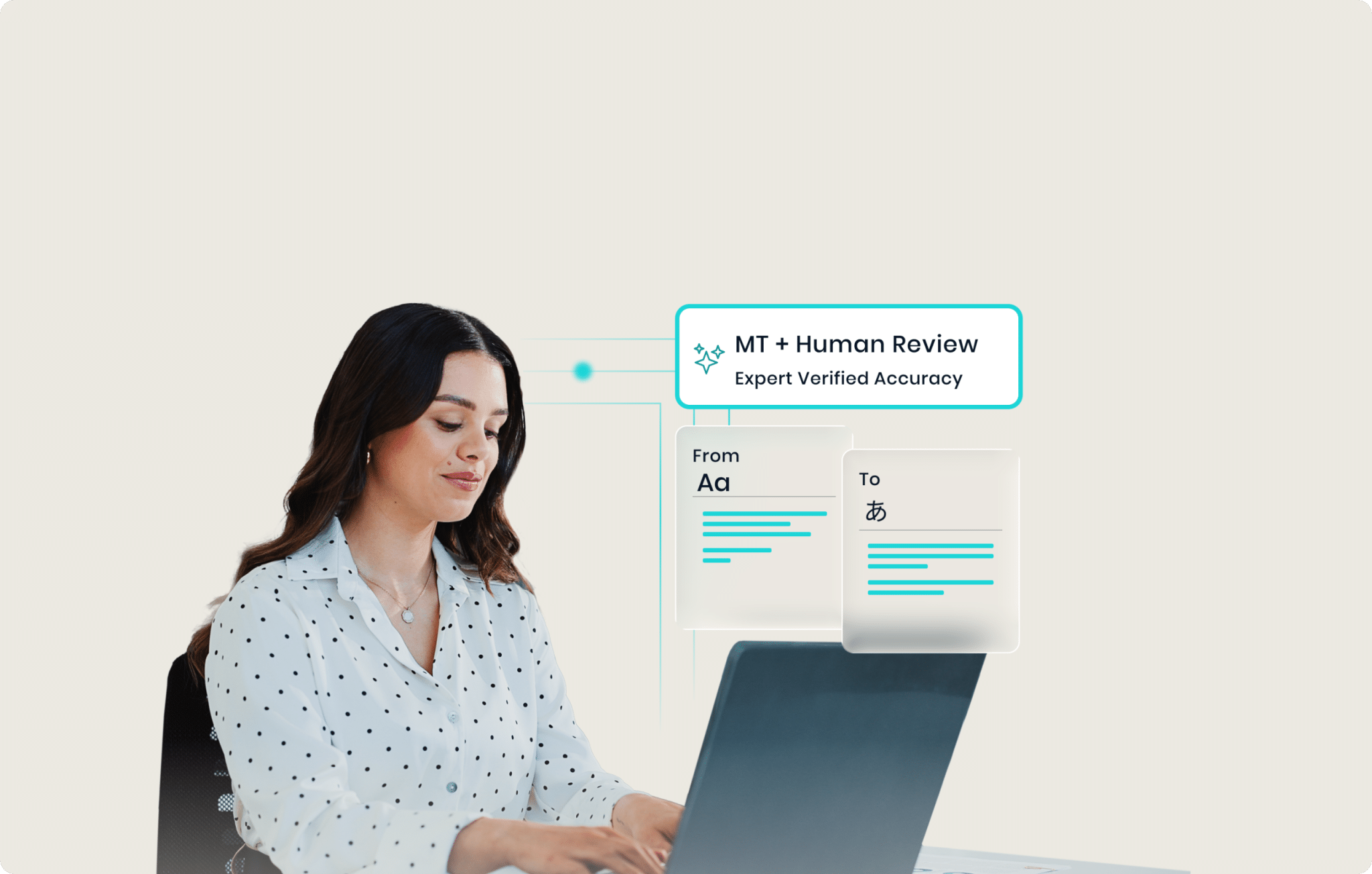
Automate high-volume multilingual content workflows
from start to delivery.
Analytics
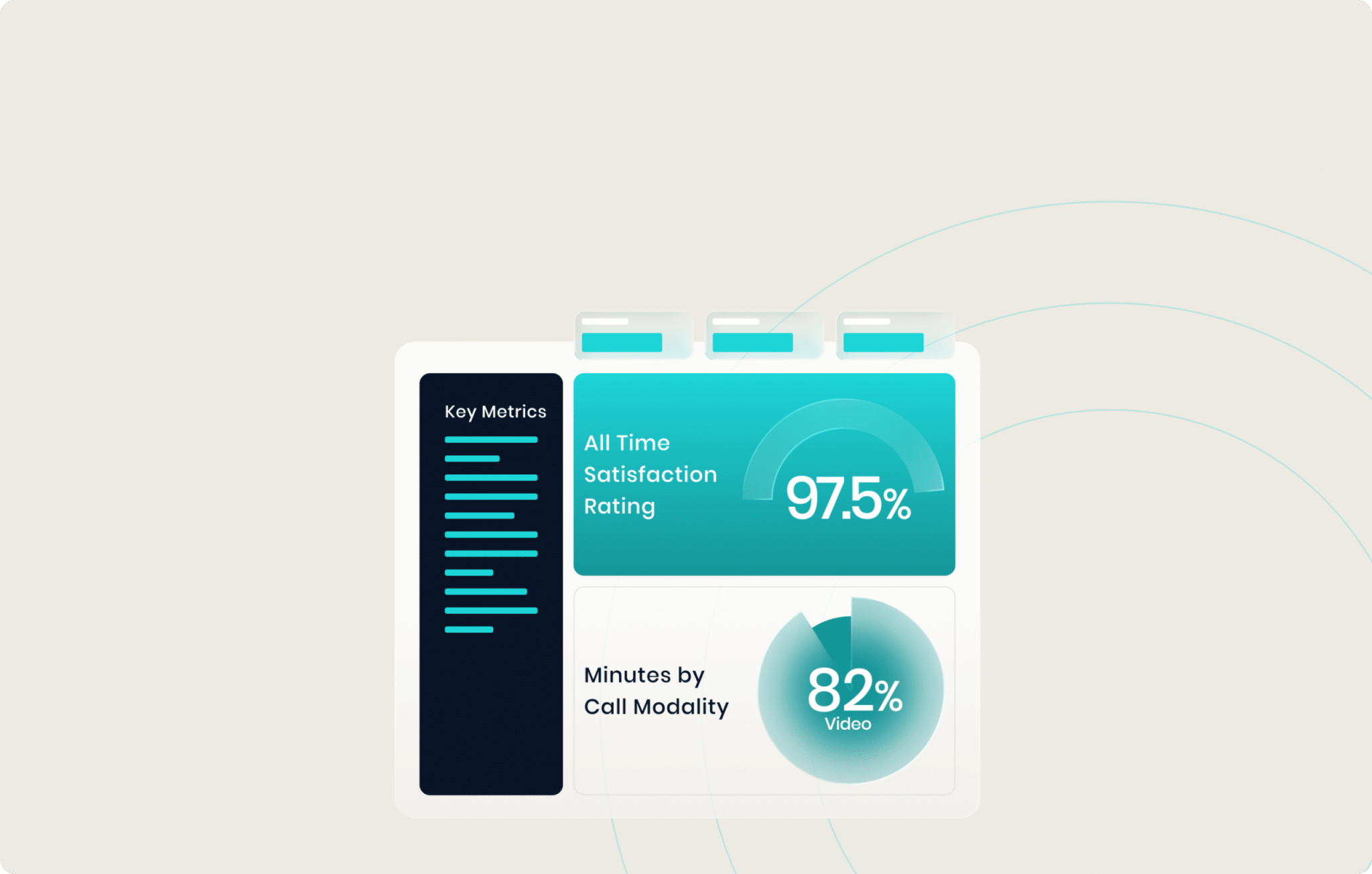
Track operations and usage metrics in real time
and view audit-ready reports.
See Propio ONE at Work
See how organizations use Propio ONE for multilingual communication and language operations.

Language Access and Real-Time Communication
Offer real-time communication with people who have limited English proficiency.

Multilingual Digital Experiences
Localize websites, apps, software, and media for multilingual audiences.

Compliance and Regulated Communication
Manage regulated communication with secure processes, documentation, and audit-ready reporting.

Internal Workflow Integration and Automation
Embed language support into existing systems and automate repeatable multilingual work.

Analytics and Reporting for Language Programs
Track language demand, usage, costs, and performance across teams and locations.

Customer and Member Engagement
Support customers and members in their preferred language throughout their experience.
Brand, Product, and Market Expansion
Adapt campaigns, product content, and brand messaging for new markets and audiences.

Training and Workforce Development
Translate and localize training content so employees can learn in their preferred language.
850M+
Minutes Interpreted Annually
255M+
Words Translated Annually
Connected Language Solutions
Access interpretation, translation, localization, AI, and language operations through a single partnership.
Qualified Linguists at Scale
Connect with specialized language professionals selected for your industry and communication needs.
Technology That Fits Existing Workflows
Embed language support into the systems and processes your teams already use.
Expand to New Markets with Design Thinking
Learn how design thinking and localization help organizations adapt products, content, and customer experiences for new global markets.

Your Questions, Answered
Learn how localization supports market expansion, customer acquisition, and growth in new regions.
Start with the content that has the greatest impact on awareness, engagement, and conversions. This often includes websites, landing pages, product information, marketing campaigns, customer support resources, and onboarding materials. Priorities may vary depending on how customers research, purchase, and use your products or services.
People are more likely to engage with content that feels relevant to their language, market, and expectations. Localization adapts websites, campaigns, product information, and customer experiences for local audiences, making it easier for people to understand offerings and take action.
Brands remain consistent through approved terminology, style guides, translation memories, and review processes. These resources ensure messaging, product names, key concepts, and brand voice remain consistent while still adapting content for local audiences.
Yes. Launches across multiple regions can be managed through centralized workflows, localization technology, and dedicated language teams that keep multilingual content aligned.
Common examples include websites, landing pages, digital advertising, email campaigns, product documentation, user guides, videos, mobile applications, customer support content, and sales materials. The right mix depends on how customers discover, evaluate, purchase, and use your products.
Yes. Localization is often an ongoing process rather than a one-time project. As websites change, products evolve, and new campaigns are launched, you can continue localizing content to grow in existing and new markets.
Ready to Streamline Communication?
Connect your teams with language solutions built for speed, accuracy, and compliance.