

Compliant Communication for Regulated Industries
Meet language access, accessibility, and communication requirements with interpretation, translation, alternative formats, and reporting support designed for regulated industries.

Reduce Administrative Complexity
Compliance-Focused Services
Access interpretation, translation, accessibility services, and reporting designed to support language access and communication requirements.

Easier Documentation
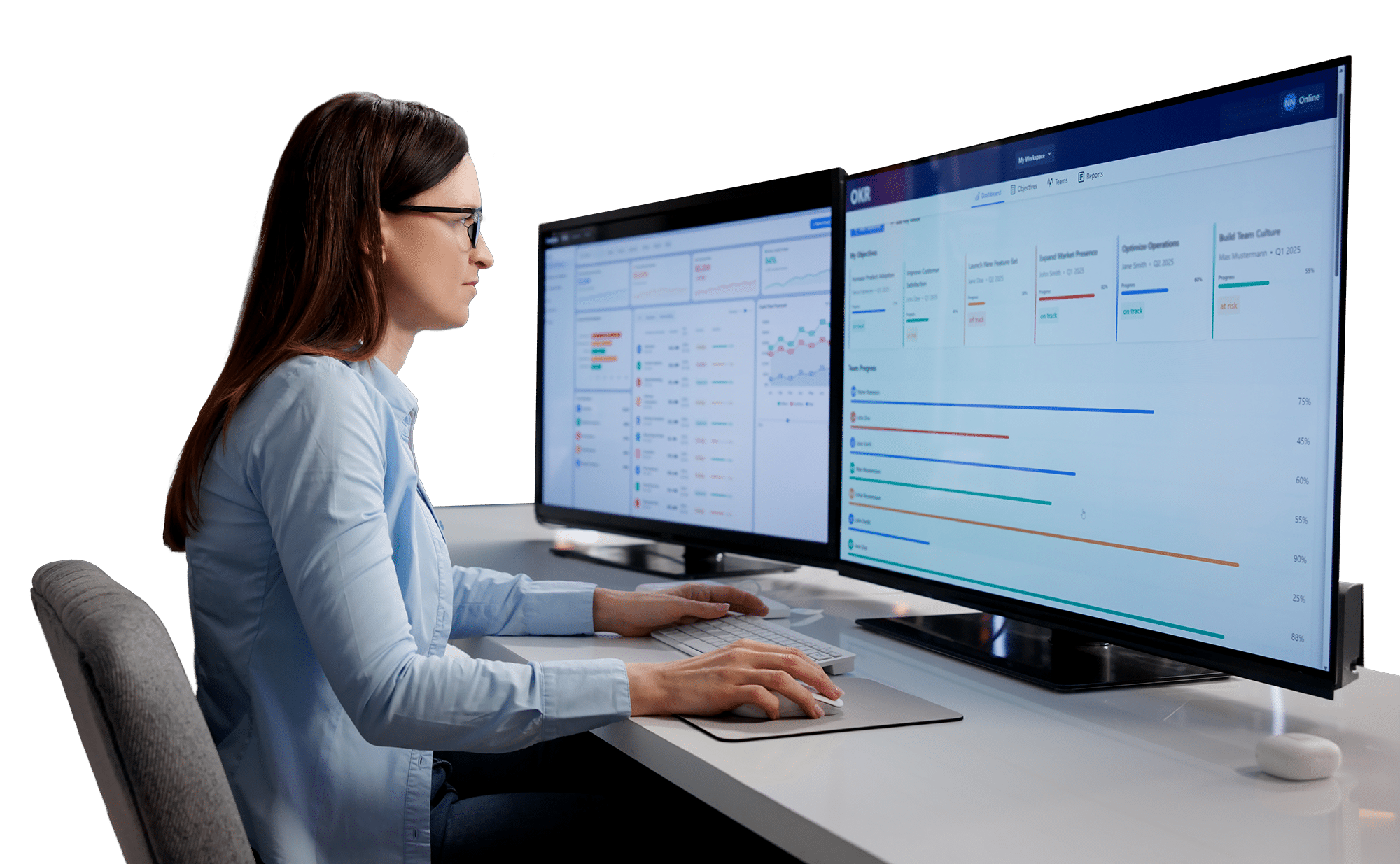
Locate communication records, language service activity, reporting data, and supporting documentation in one place.
Better Audit Preparation
Stay prepared for audits, reviews, and compliance requests with centralized reporting, documented activity, and communication records.

Language Access and Compliance Programs
Meet language access, accessibility, reporting, and communication requirements through one coordinated program.

Provide qualified language support when important information must be understood.
Support communication with qualified interpreters and translators who undergo screening, performance monitoring, and ongoing quality review.

Make information available to people who need alternatives to standard formats.
Provide large print, braille, captions, subtitles, and other accessible formats for documents, videos, digital content, and required communications.

Maintain records that support audits, reviews, and compliance reporting.
Track language services, communication activity, fulfillment history, delivery records, and reporting data through centralized reporting tools.

Deliver notices and disclosures in the languages and formats people need.
Translate, format, and distribute member communications, public information, educational materials, notices, and disclosures while maintaining delivery records and communication history.
Make Compliance Easier to Manage
Reduce the work involved in meeting language access and communication requirements.
Work with one partner instead of managing multiple language and accessibility providers.
Manage interpretation, translation, accessibility services, reporting, and compliance-related communications through one provider rather than coordinating multiple vendors and processes.
Find the records you need when questions come up.
Access language service activity, communication history, reporting data, and supporting records without pulling information from multiple systems.
Be prepared when auditors, regulators, or internal teams request information.
Create and manage documentation and reporting that provide visibility into compliance activities and support audit and investigation processes.
Maintain a clear record of language access activities.
Track service requests, fulfilled services, translated materials, and communication records through centralized reporting and documentation tools.
Centralize Language Access in One Platform
Achieve better outcomes for your clients by designing the best language access program—using one, centralized system.
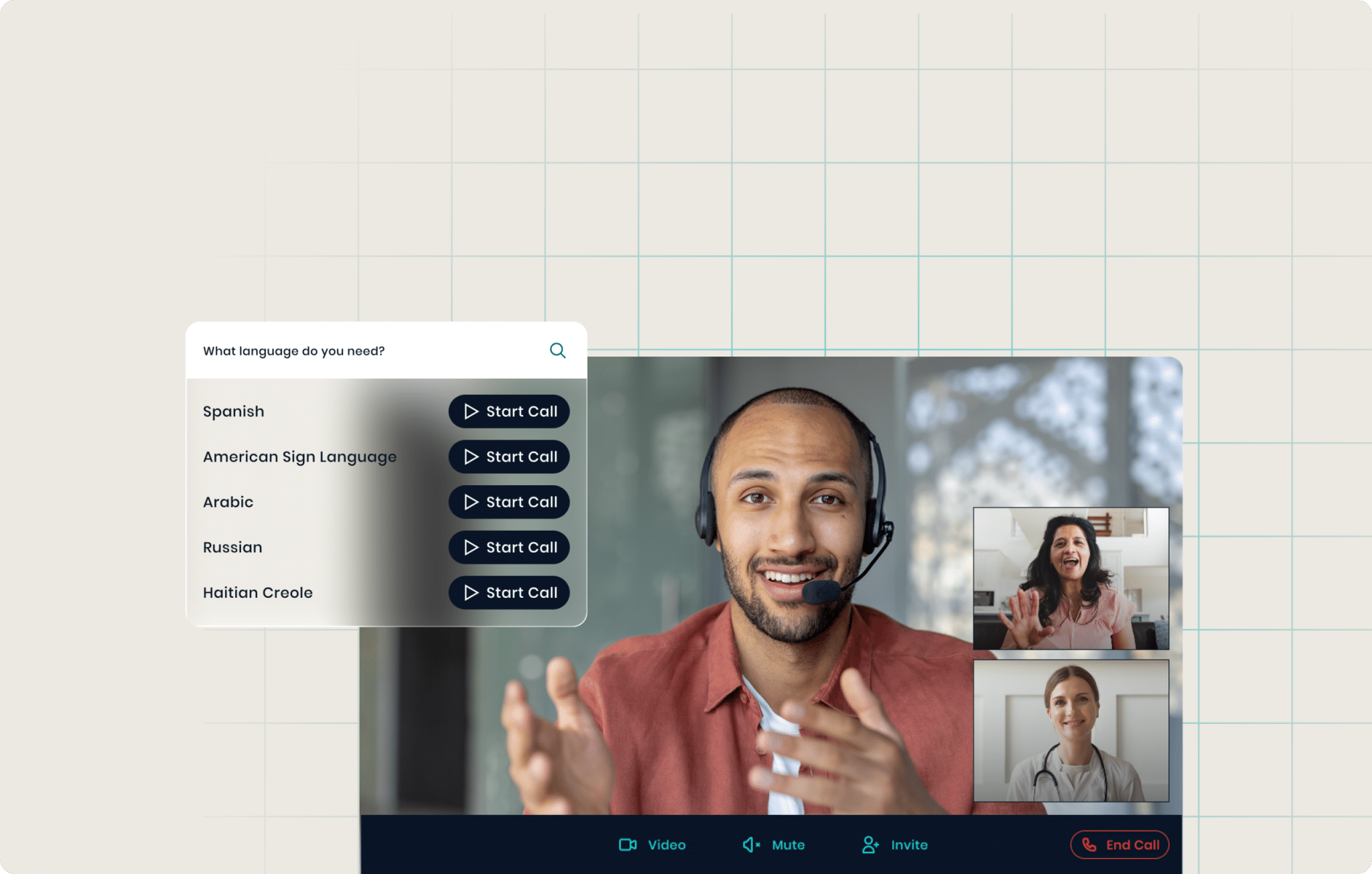
Interpretation
Connect in seconds to qualified interpreters over video,
phone, and in person.
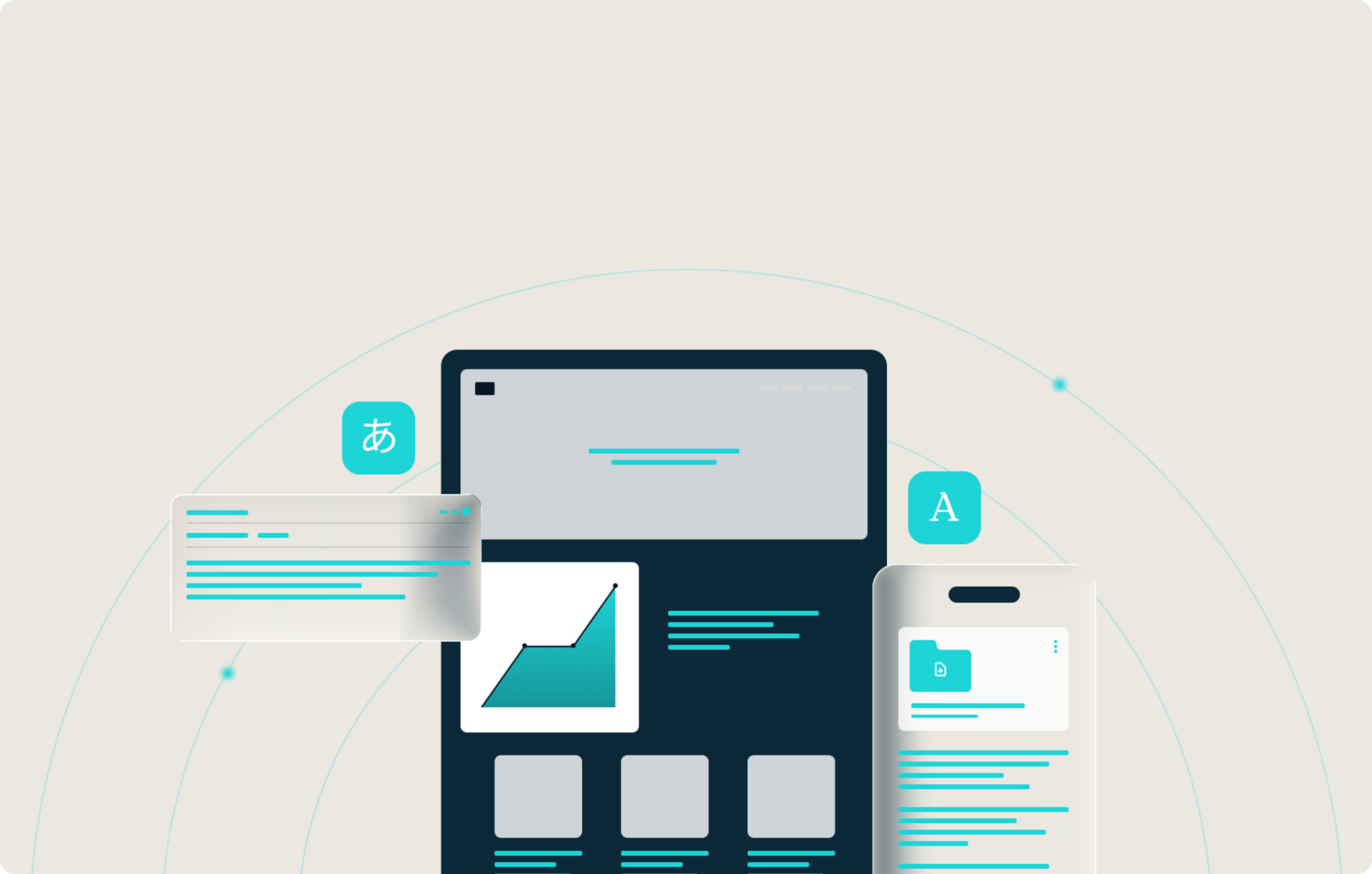
Translation and Localization
Adapt documents, websites, apps, and media for multilingual audiences.
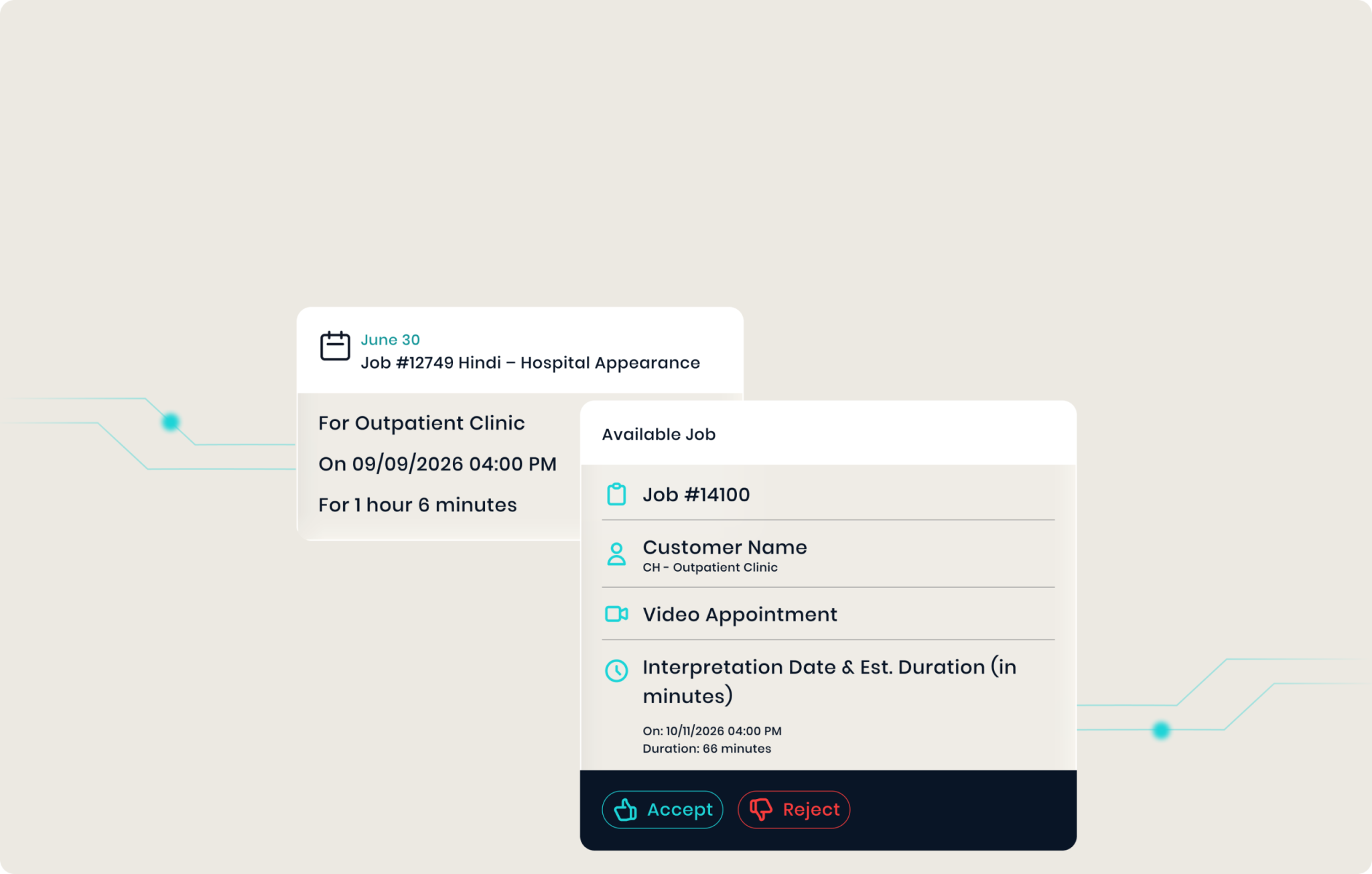
Resource Management
Manage interpreter requests, scheduling, fulfillment,
and reporting in one system.
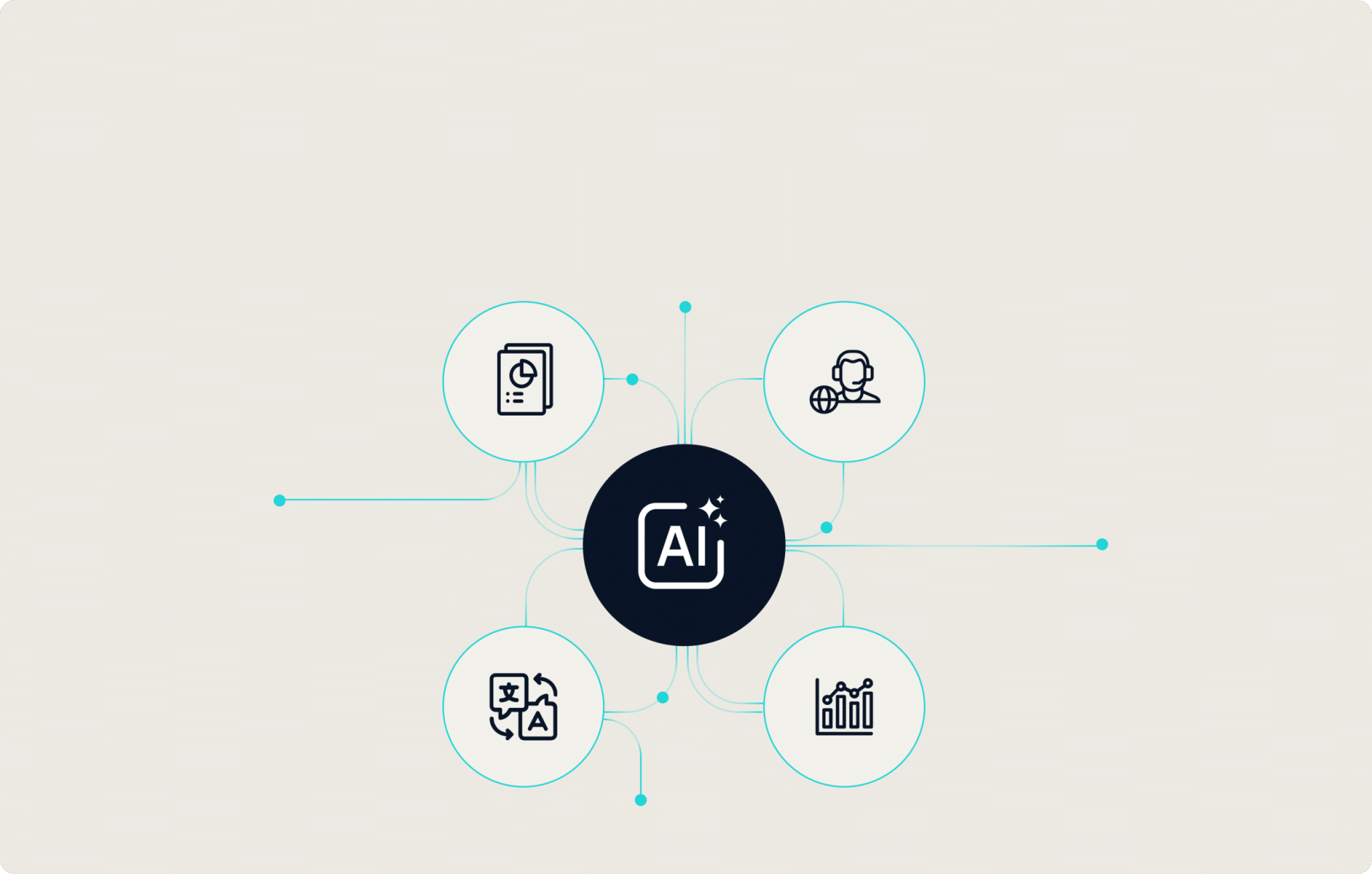
AI and Technology
AI-powered workflows with human review and oversight.
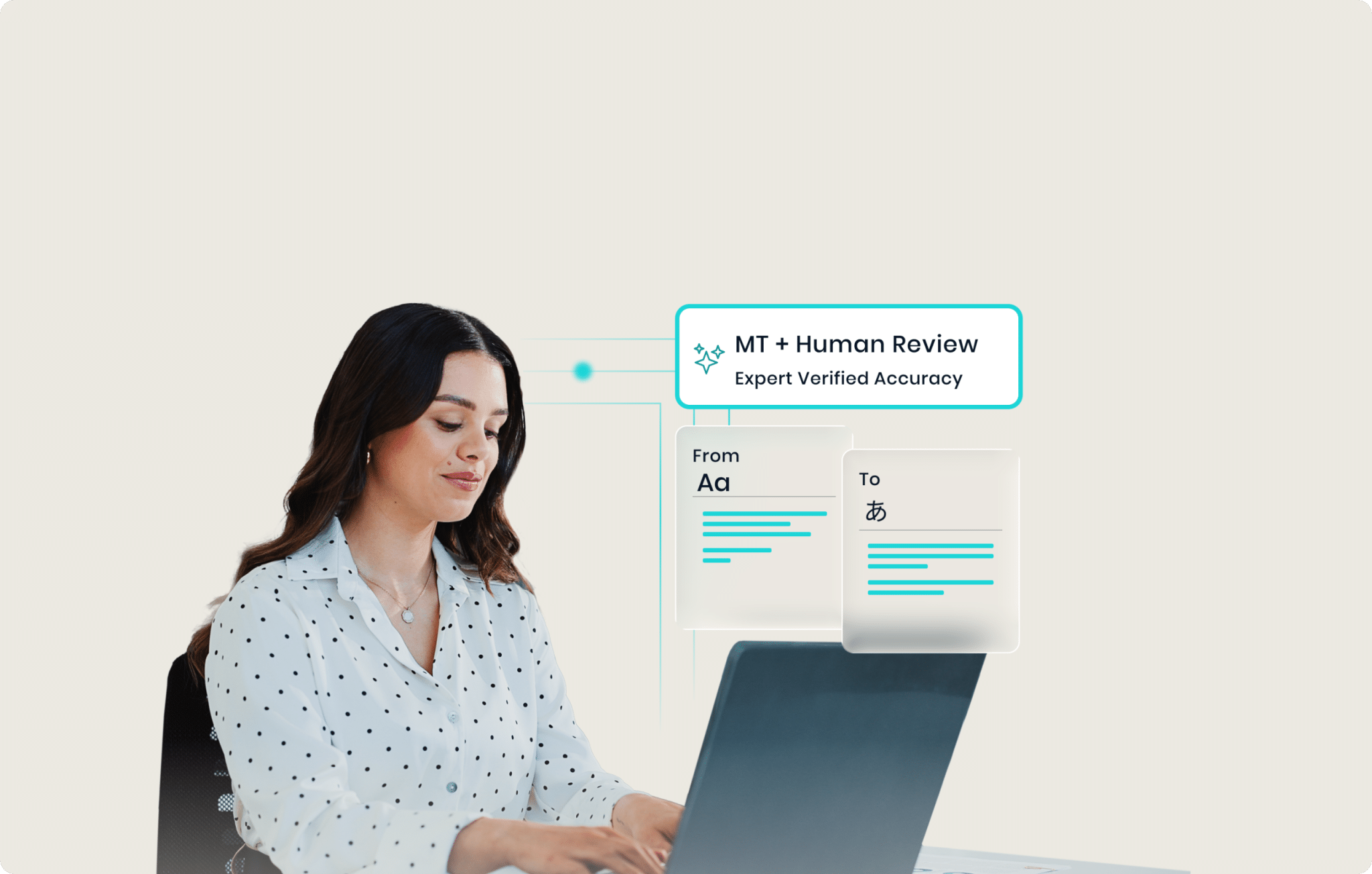
Translation Technology
Automate high-volume multilingual content workflows
from start to delivery.
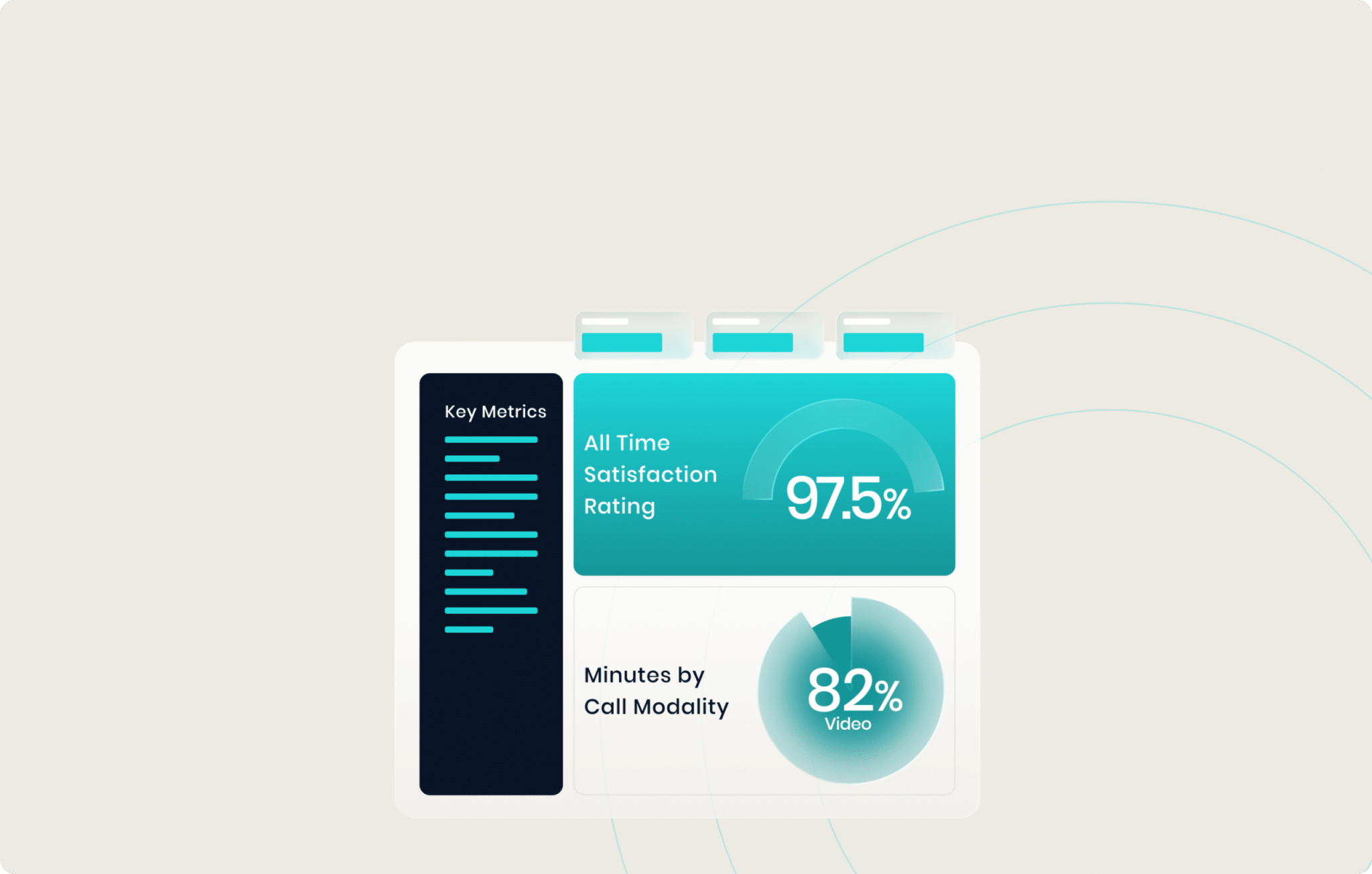
Analytics
Track operations and usage metrics in real time
and view audit-ready reports.
See Propio ONE at Work
See how organizations use Propio ONE for multilingual communication and language operations.

Language Access and Real-Time Communication
Offer real-time communication with people who have limited English proficiency.

Multilingual Digital Experiences
Localize websites, apps, software, and media for multilingual audiences.
Compliance and Regulated Communication
Manage regulated communication with secure processes, documentation, and audit-ready reporting.

Internal Workflow Integration and Automation
Embed language support into existing systems and automate repeatable multilingual work.

Analytics and Reporting for Language Programs
Track language demand, usage, costs, and performance across teams and locations.

Customer and Member Engagement
Support customers and members in their preferred language throughout their experience.

Brand, Product, and Market Expansion
Adapt campaigns, product content, and brand messaging for new markets and audiences.

Training and Workforce Development
Translate and localize training content so employees can learn in their preferred language.
850M+
Minutes Interpreted Annually
255M+
Words Translated Annually
Connected Language Solutions
Access interpretation, translation, localization, AI, and language operations through a single partnership.
Qualified Linguists at Scale
Connect with specialized language professionals selected for your industry and communication needs.
Technology That Fits Existing Workflows
Embed language support into the systems and processes your teams already use.
Accuracy vs. Efficiency: The AI Translation Dilemma in Compliance-Heavy Sectors
Learn how organizations in regulated industries balance translation accuracy, efficiency, and compliance when adopting AI-assisted translation.

Your Questions, Answered.
Language access and communication requirements can be difficult to navigate. Here are answers to common compliance questions.
Language access requirements vary by industry and organization type. Common regulations include Title VI of the Civil Rights Act, Section 1557 of the Affordable Care Act, the Americans with Disabilities Act (ADA), state language access laws, and other industry-specific requirements.
Interpretation services are generally considered compliant when they support accurate, effective, and confidential communication. This often includes using qualified interpreters, maintaining language access policies, following documented procedures, and keeping records that support regulatory and organizational requirements.
A qualified interpreter can interpret accurately and impartially while using terminology appropriate for the setting. Qualifications vary by industry and communication needs, but interpreters should have the skills, training, and experience required for the conversation.
Requirements vary by industry, but vital documents that allow people to access services, understand their rights, make informed decisions, or meet regulatory requirements often require translation. Common examples include consent forms, notices, disclosures, applications, and customer- or patient-facing instructions.
Language access should be provided in the languages most commonly spoken by the populations they serve. Language needs are often determined by demographic data, service area requirements, usage patterns, regulatory obligations, and requests for language support. For example, in some healthcare settings, translated materials may be required when a language group reaches a specific threshold, such as 5% of the population served. However, requirements vary by industry, regulatory body, and jurisdiction, so it is recommended to review the regulations that apply to your specific industry.
In many regulated environments, family members or bilingual employees are not considered qualified interpreters simply because they speak more than one language. They may lack interpreter training, subject-matter expertise, knowledge of professional standards, and the ability to remain impartial during sensitive conversations.
Documentation often includes records of interpreter usage, translated documents, language support requests, language preferences, and language access policies.
Ready to Streamline Communication?
Connect your teams with language solutions built for speed, accuracy, and compliance.