

Healthcare Language Solutions That Keep Care Moving
Healthcare interactions take place throughout the patient journey, from scheduling and registration to treatment, discharge, and ongoing support. Language access is often incorporated into each stage of that experience.

Healthcare Has Different Language Needs
Patient care, member services, administrative operations, and community outreach all have different language access requirements. Meeting those needs often involves multiple solutions, teams, and communication channels.
Interpreter Availability
Patients, members, and families may need language assistance at any time. Qualified interpreters provide a dedicated language access resource and reduce reliance on family members, friends, or bilingual staff who may not be trained to interpret medical information accurately.
Documentation and Compliance
Language access programs often involve documentation, accessibility requirements, and regulatory obligations. Reporting and service records maintain visibility into language service activity.
Language Coverage
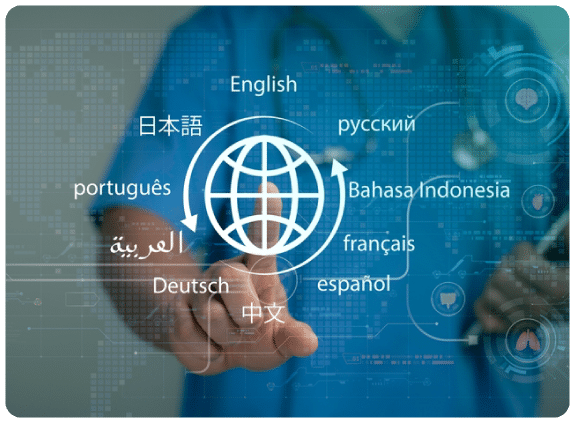
Language needs can vary by location, department, and population. Access to a large interpreter network accommodates demand across hundreds of languages.
Where Language is Used in Healthcare
Healthcare providers and staff use our medical translation and interpretation solutions across many touchpoints.
ER Visits
Provide interpreter access during emergency care and urgent patient interactions.
Clinical Consults
Communicate during consultations, evaluations, and care planning discussions.
Informed Consent
Provide multilingual content so patients understand procedures, risks and consent.
Discharge Instructions
Communicate medication, follow-up, and post-care instructions.
Telehealth Visits
Incorporate interpreters into virtual appointments and consultations.
Patient Registration
Address language needs during registration, intake, and patient onboarding.
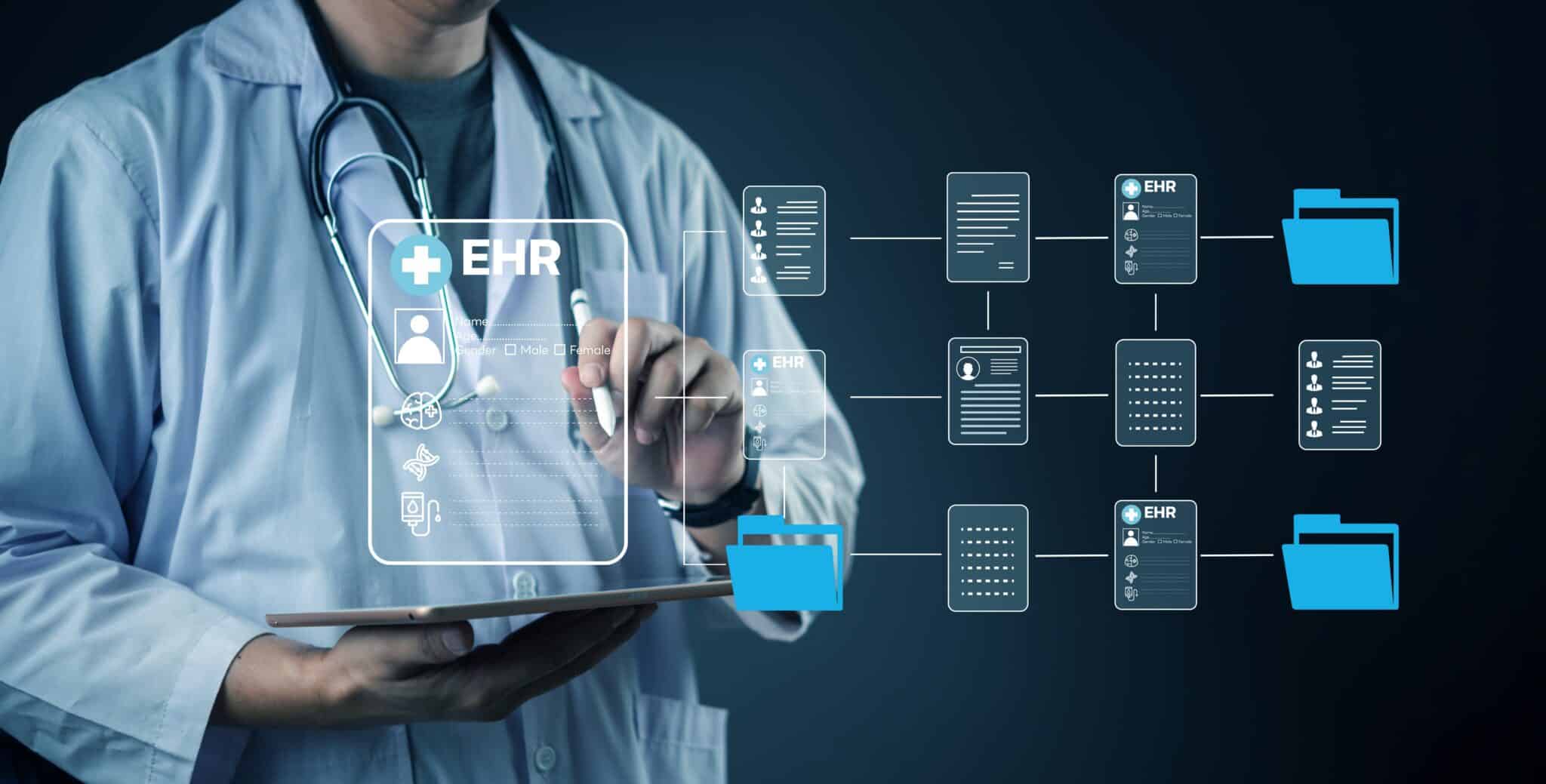
Language Access Within the EHR
Access interpreters, translate patient forms, discharge instructions, After Visit Summaries, and other patient-facing content directly within your EHR. Teams can manage language access without moving between systems.


Translation Options for Different Content Types
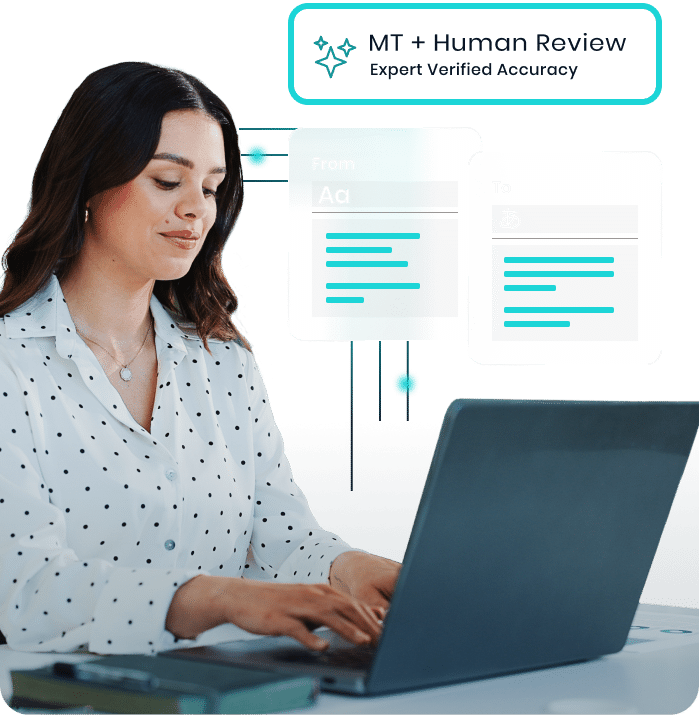
Translate patient materials, discharge instructions, forms, websites, and healthcare communications through human translation, machine translation, or machine translation with human review based on content requirements and turnaround needs.
Interpretation for Different
Care Settings
Different care settings require different approaches to language access. Phone, video, and in-person interpretation solutions are available for emergency care, telehealth, scheduled appointments, and patient consultations.
Centralize Language Access in
One Platform
Achieve better outcomes for your clients by designing the best language access program—using one, centralized system.
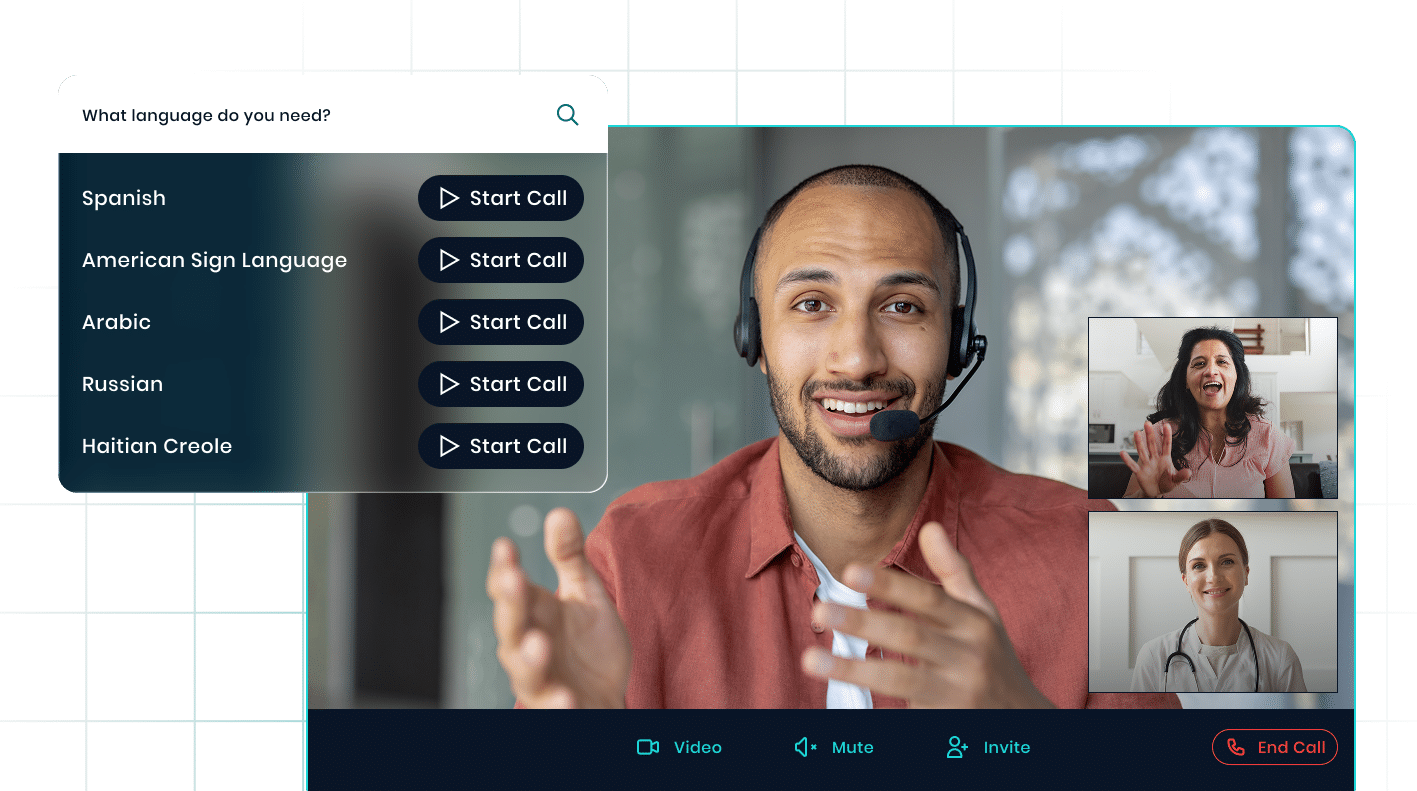
Interpretation
Solutions for patient care and clinical communication
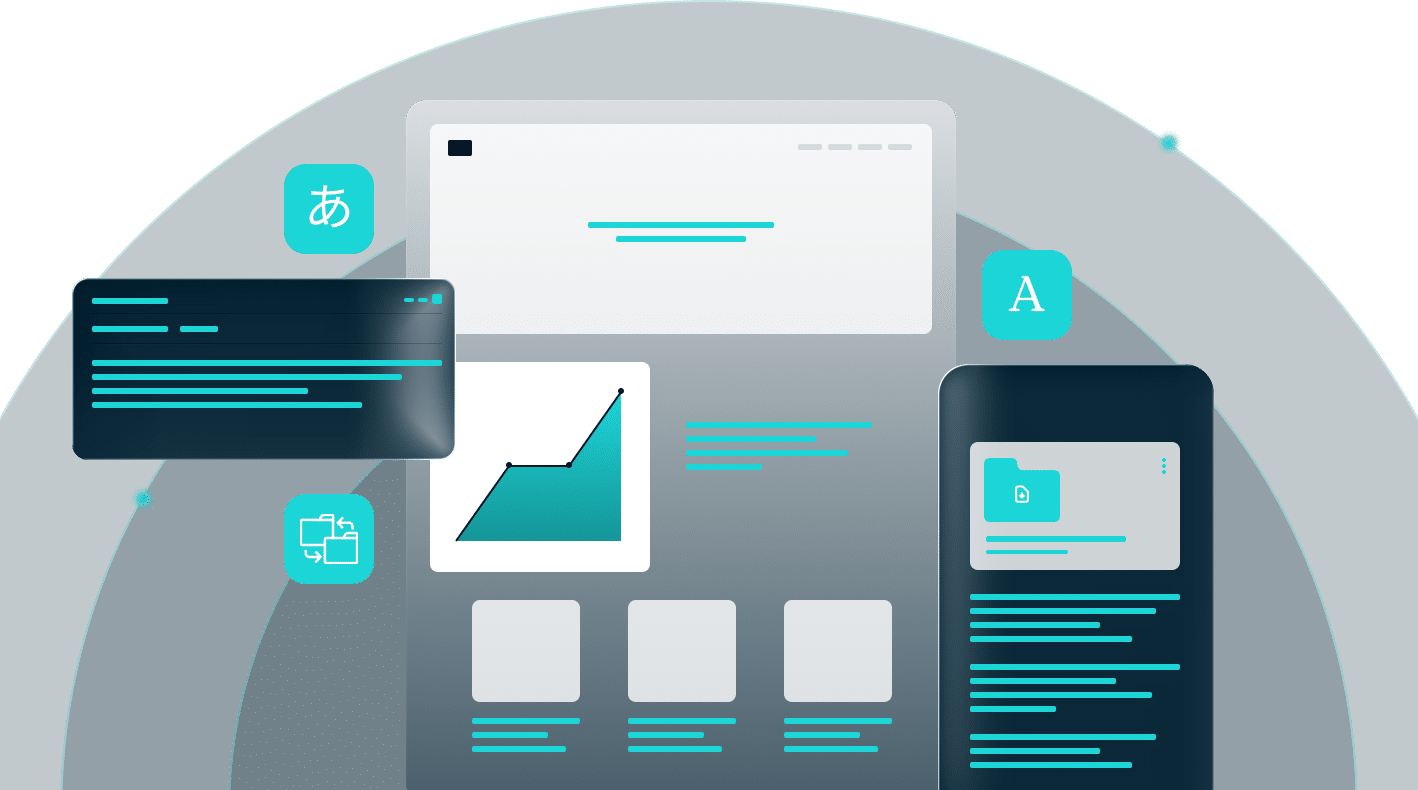
Translation and Localization
Patient forms, discharge instructions, educational materials, websites
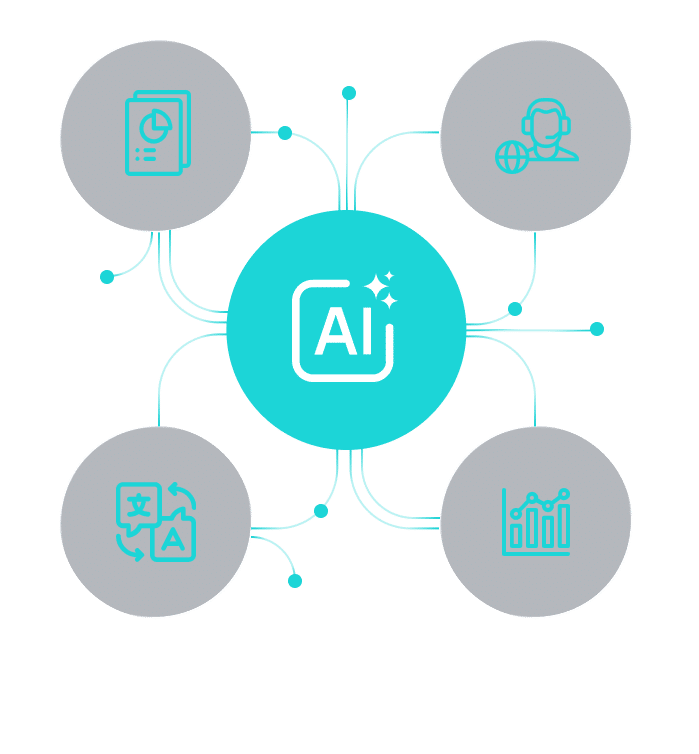
AI and Technology
AI-powered tools for routine multilingual communications
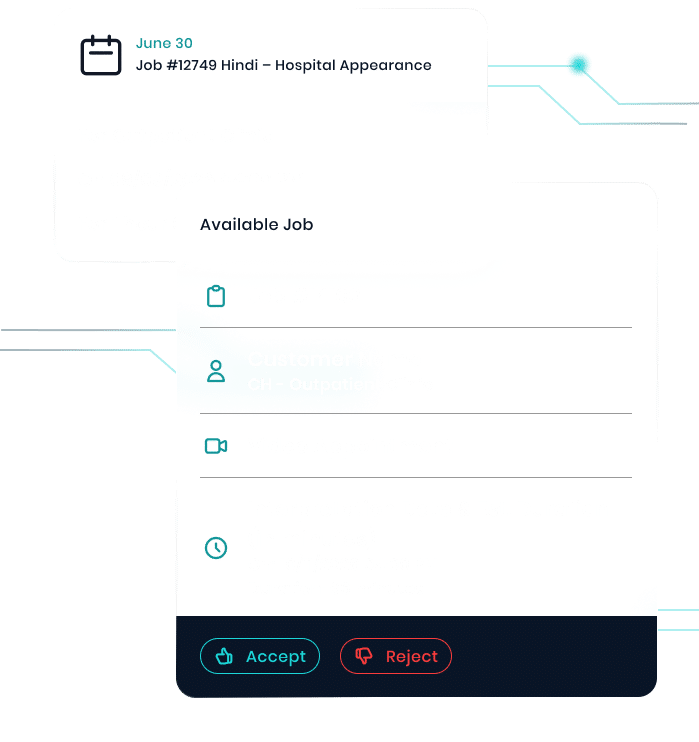
Resource Management
Interpreter scheduling/availability across locations
Analytics
View language access activity across locations and departments
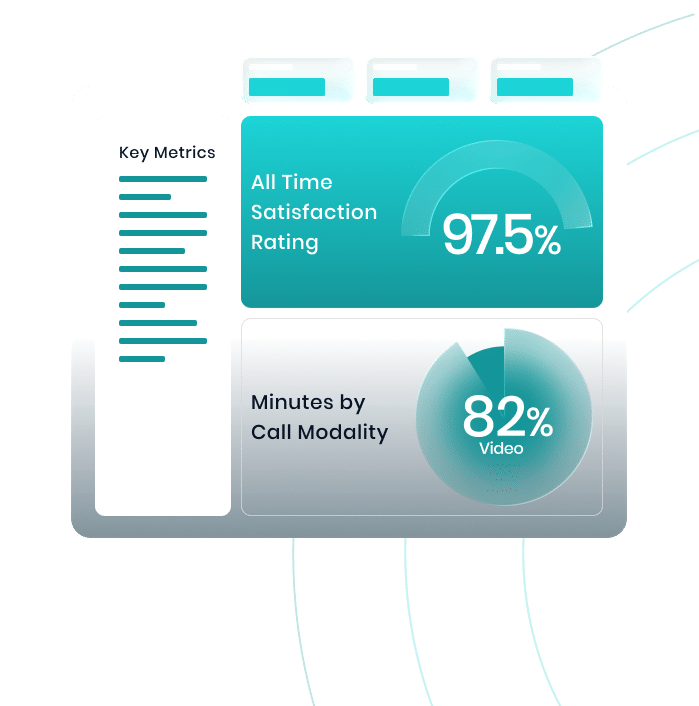
Translation Technology
Automate high-volume translation of patient materials
Integrations

EHR/EMR Systems
Connect with interpreters and translate patient-facing content without leaving the EHR.
Telehealth Platforms
Add interpreter access to virtual appointments, consultations, and telehealth visits.

Call Center Systems
Connect callers with interpreters during scheduling, member services, and patient support interactions.

Mobile and Tablet Devices
Connect with interpreters from mobile devices used during patient interactions and care delivery.

API Integrations
Embed language solutions into other enterprise tools to create custom workflows.
Latest Insights


Frequently Asked Questions
Get quick answers to common questions about medical interpreter solutions.
For most languages, interpreters are available within seconds.
Yes. Interpreters can participate in telehealth visits through video interpretation solutions integrated with virtual care platforms.
Yes. Propio’s healthcare interpreters undergo language proficiency testing, medical terminology assessments, and interpreting evaluations before joining the network. Interpreter qualifications include experience requirements, healthcare-specific training, confidentiality requirements, and ongoing quality standards.
Healthcare providers may be required to provide language access and accessible communications for patients and members. Interpretation, translation, accessibility solutions, and reporting are often part of language access programs.
Yes. Propio provides access to interpreters in hundreds of languages along with translation solutions, reporting, and administrative tools for multi-facility healthcare systems.
Propio applies security and privacy controls designed for healthcare including the handling of protected health information (PHI). Solutions are designed to meet HIPAA requirements, and maintains HITRUST and SOC 2 Type 2 certifications related to security, privacy, and risk management practices.
Healthcare interpreters communicate spoken information between patients and healthcare professionals who do not share a common language. They interpret conversations related to symptoms, diagnoses, treatment plans, procedures, medications, and discharge instructions.
Video interpretation is commonly used for telehealth visits, patient education, behavioral health interactions, American Sign Language (ASL), and conversations where visual communication is important.
Yes. Reporting includes language utilization, service activity, languages requested, and program usage data that can be used for operational reviews, documentation requirements, audits, and compliance activities.
Ready to Streamline Communication?
Connect your teams with language solutions built for speed, accuracy, and compliance.