
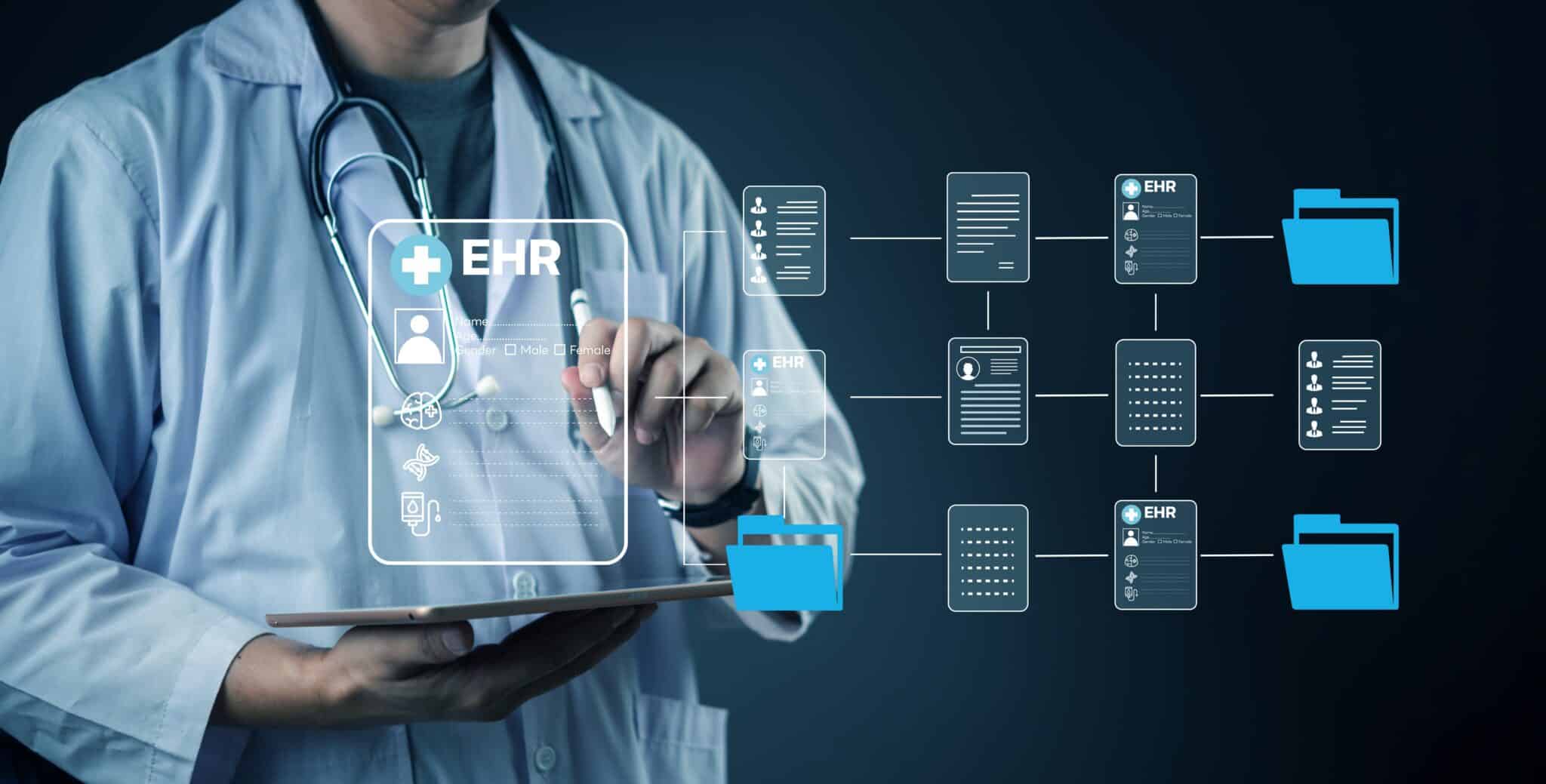

Life Sciences Innovation Reaches Global Markets
Product development, regulatory review, clinical research, and commercialization often span multiple countries and languages, creating complex documentation, labeling, and communication requirements during each stage of the product lifecycle.

Different Markets, Different Requirements
Regulatory documentation, product information, clinical activities, and commercialization efforts often involve multiple countries, languages, and regulatory bodies. Documentation, labeling, and submission requirements can vary significantly between markets.
Regulatory Documentation
Regulatory submissions, technical files, quality documentation, and product information often require translation before entering new markets. Specialized linguists, translation technology, and terminology management can be incorporated into regulatory documentation workflows.
Product Labeling and IFUs
Instructions for use, packaging, safety information, and product labeling often require ongoing updates as products evolve. Translation solutions maintain consistent terminology and documentation across product labeling, IFUs, and safety information for every market.
Clinical and Scientific Communication
Investigator meetings, audits, inspections, regulatory discussions, and clinical research activities may require different interpretation modalities depending on the participants, setting, and objectives. Phone, video, and in-person interpretation supports specialized scientific, technical, and operational conversations.
Language Solutions in Action
Interpretation and translation solutions are frequently incorporated into clinical research, regulatory review, quality management, and commercialization activities.
Clinical Trial Startup
Translate study protocols, informed consent forms, and trial documentation for participating sites.
Patient Recruitment
Translate recruitment materials and patient-facing communications for diverse participant populations.
Regulatory Submissions
Translate regulatory submissions, technical documentation, and market authorization materials.
Quality and Compliance Documentation
Translate quality records, audit documentation, CAPAs, and compliance-related materials.
Medical Device Localization
Translate and localize IFUs, product labeling, software interfaces, and technical documentation.
Clinical Interpretation
Interpretation for investigator meetings, site training, audits, and clinical research activities.
Global Markets and Regulatory Requirements
Entering new markets often requires translated regulatory submissions, product labeling, instructions for use, technical files, and quality documentation. Documentation requirements can vary by country, regulatory body, and product type. ISO 13485 and ISO 17100 certified processes, terminology management, and linguistic review address regional documentation and regulatory requirements.

Translation Solutions for
Life Sciences
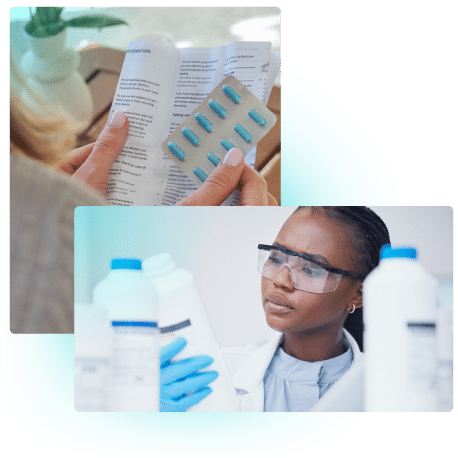
Product development, clinical research, regulatory review, and commercialization generate different documentation requirements throughout the product lifecycle. Regulatory submissions, clinical trial materials, product labeling, and quality documentation often require translation into multiple languages. Human translation, machine translation, and machine translation with human review can be incorporated based on content requirements and project timelines.
Interpretation for Clinical and Technical Discussions
Investigator meetings, audits, inspections, regulatory discussions, and clinical research activities may require different interpretation modalities depending on the participants, setting, and objectives. Phone, video, and in-person interpretation options can be incorporated into specialized scientific, technical, and operational conversations.

Centralize Language Access in
One Platform
Achieve better outcomes for your clients by designing the best language access program—using one, centralized system.
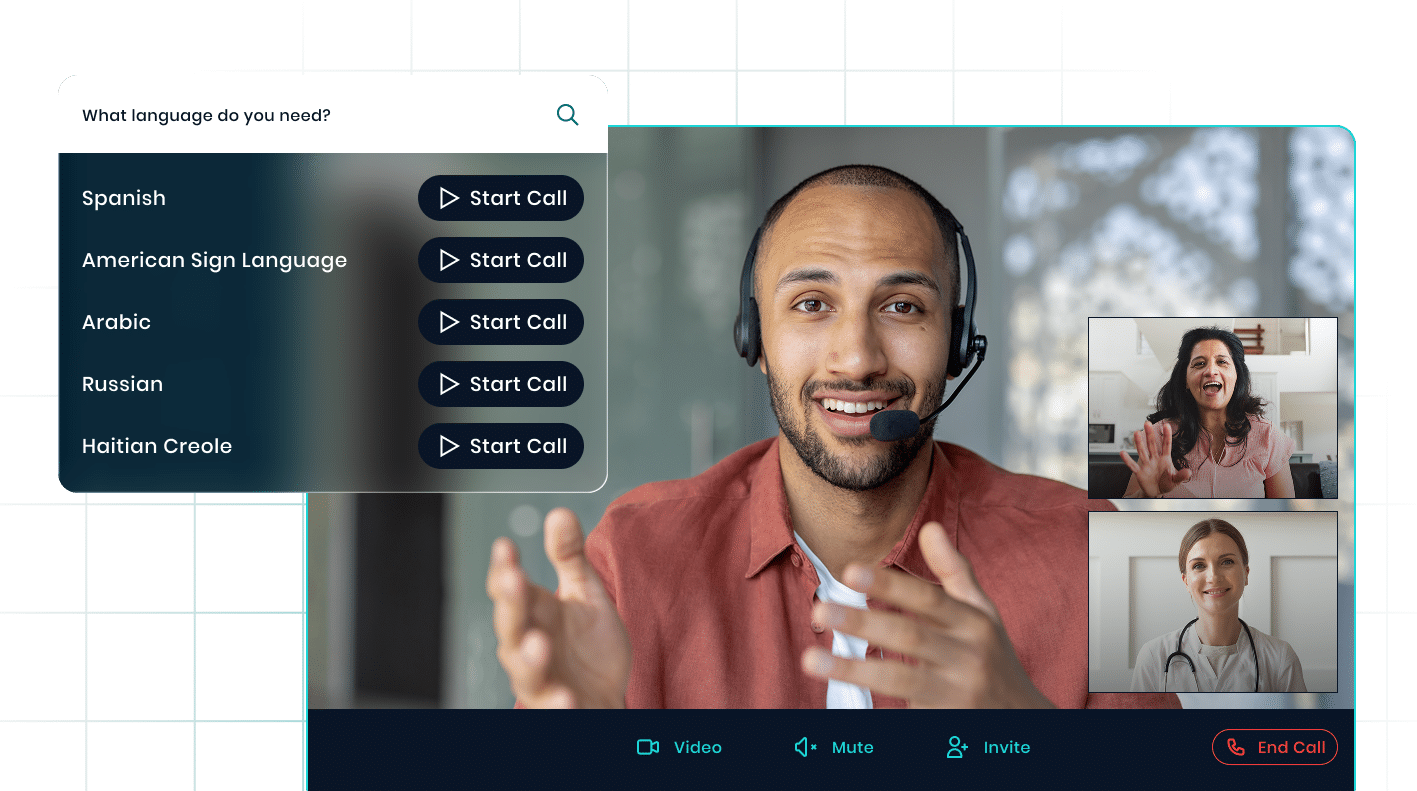
Interpretation
Investigator meetings, audits, clinical research activities
Translation and Localization
Regulated content, informed consent forms, labeling, and IFUs
AI and Technology
AI-powered language tools for regulated life sciences content
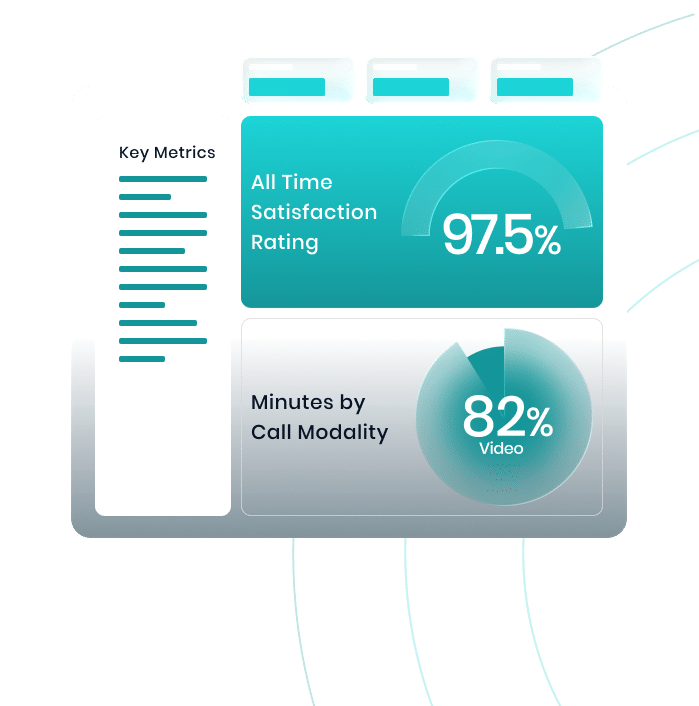
Analytics
View language activity, utilization, and audit-ready data
Translation Technology
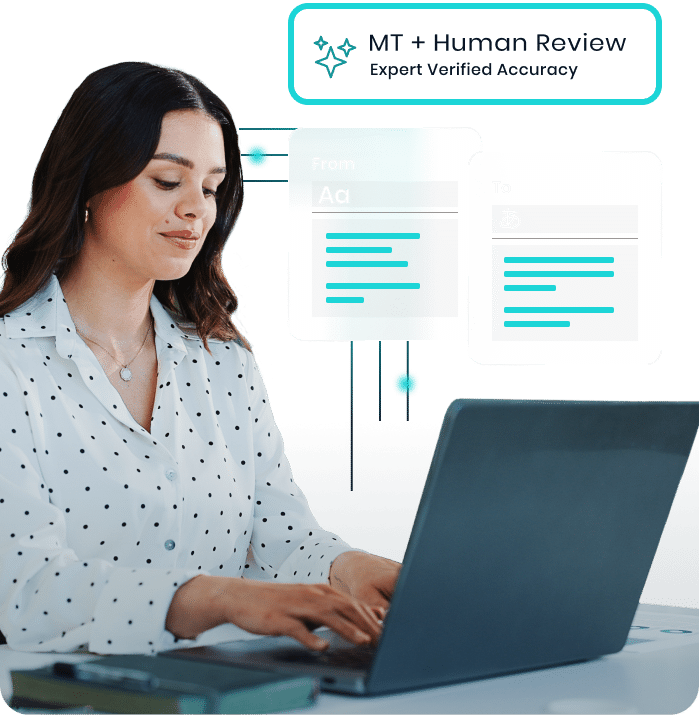
Human/ machine translation options based on content requirements
Integrations

Clinical Trial Systems and eClinical Platforms
Translation and interpretation activities become part of study startup, patient recruitment, and clinical trial workflows.

Regulatory Submission Systems
Regulatory documentation remains connected to existing submission and review processes.
Pharmacovigilance and Safety Systems
Safety reports, adverse event documentation, and related communications can be managed in multiple languages.

Medical Device and Software Environments
Product interfaces, IFUs, labeling, and technical documentation can be localized as products evolve.

Patient Engagement Platforms
Study participants and patients can receive communications, educational materials, and updates in multiple languages.

Content Management Systems
Regulatory content, product documentation, and customer-facing materials remain connected to existing content workflows.
Latest Insights



Frequently Asked Questions
Find answers to common questions about interpretation and translation solutions for the life sciences industry.
Propio uses a structured workflow with a second linguist review, terminology management, and back-translation for high-risk materials. This helps identify issues before submission and maintain approved terminology throughout related documentation.
Propio translates study materials such as protocols, informed consent forms (ICFs), and patient-reported outcomes. Patient-facing communications, recruitment materials, and trial documentation can also be translated throughout the clinical trial lifecycle.
Propio manages high-volume, time-sensitive workflows with repeatable processes and access to specialized linguists. Safety data, regulatory documentation, and other critical content can be processed without slowing reporting timelines.
Yes. Our interpreters are trained in medical and life sciences terminology and are frequently incorporated into audits, inspections, investigator meetings, regulatory discussions, and clinical research activities.
Approved terminology can be maintained through terminology management tools, translation memories, and established review processes, preserving preferred language throughout long-term studies and programs.
Yes, Propio translates IFUs, labeling, packaging, and software interfaces while aligning with MDR and IVDR requirements for different markets.
Our processes align with HIPAA, GDPR, HITRUST, and SOC 2 Type 2 standards for secure handling of sensitive patient, research, and operational information.
Yes, Propio offers machine translation with human review when needed, along with fully human workflows for regulated or high-risk content. This allows you to balance speed and accuracy based on the use case.
Propio translates product labeling, instructions for use (IFUs), technical documentation, and related content used in medical device regulatory processes. ISO 13485 certified workflows address regulated medical device documentation, localization, and market-specific requirements.
Ready to Streamline Communication?
Connect your teams with language solutions built for speed, accuracy, and compliance.