
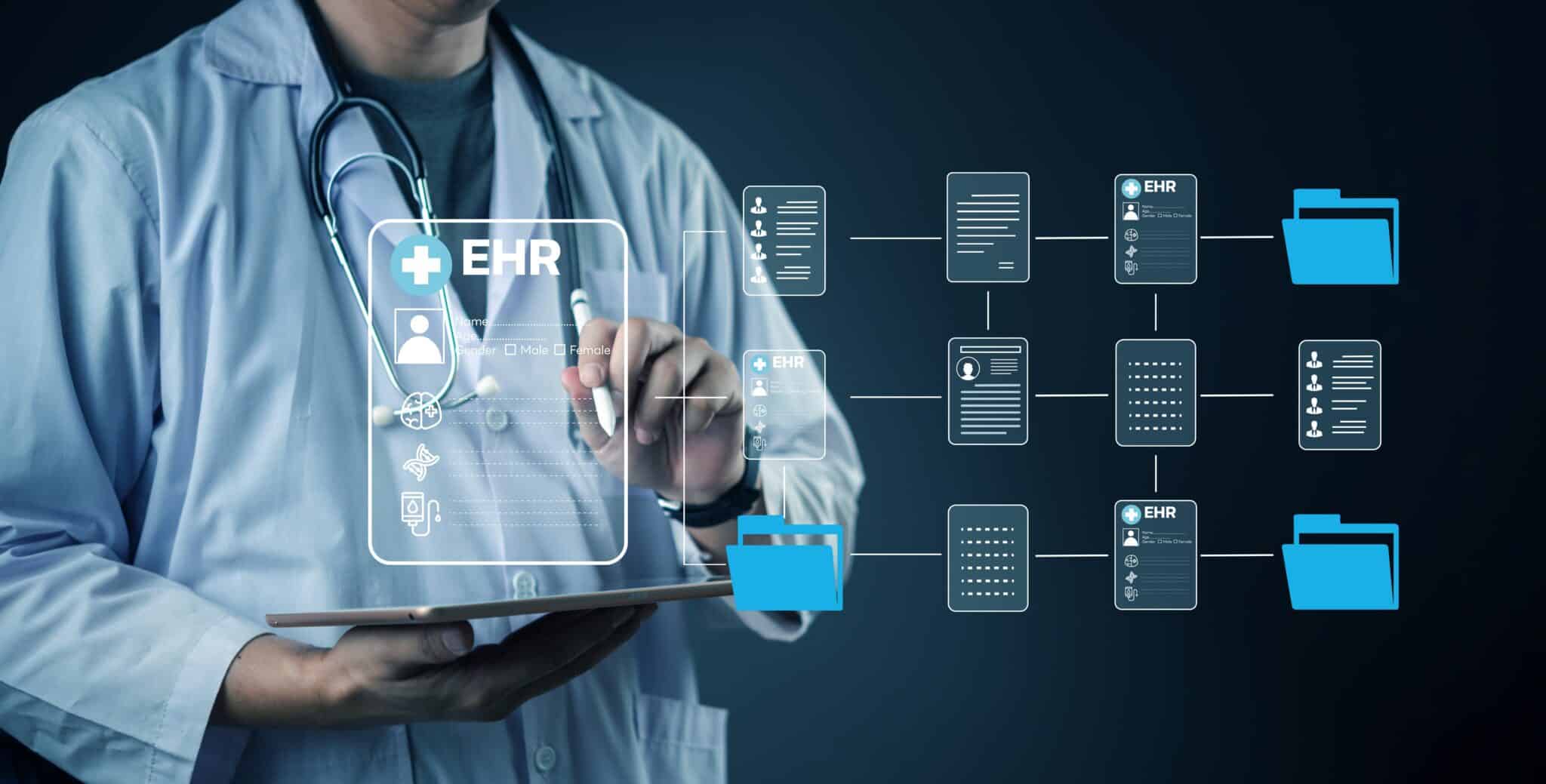

Automated Multilingual Letters
Generate, translate, format, and deliver multilingual letters through a single process designed for recurring communication at scale.
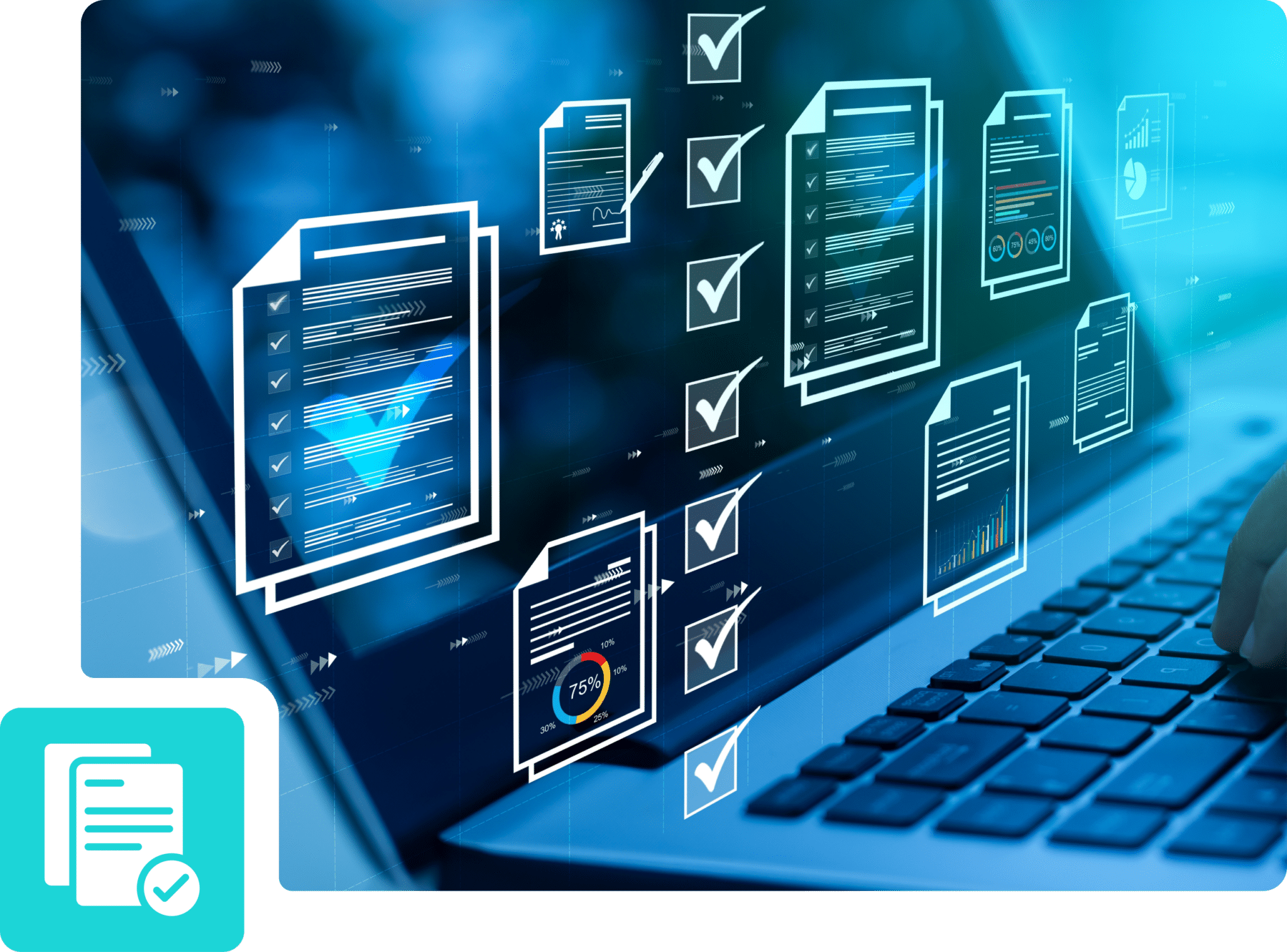
Built for High-Volume Letter Delivery
Template Management
Maintain approved multilingual letter templates in one place.

Automated Population
Populate letters automatically using data from connected systems.
Alternate Formats
Generate multilingual print, digital, braille, and large-print versions.

Delivery Tracking
Track delivery status, language versions, and letter history.
Automated Multilingual Letter Delivery
Generate, translate, format, track, and deliver high-volume multilingual communications.
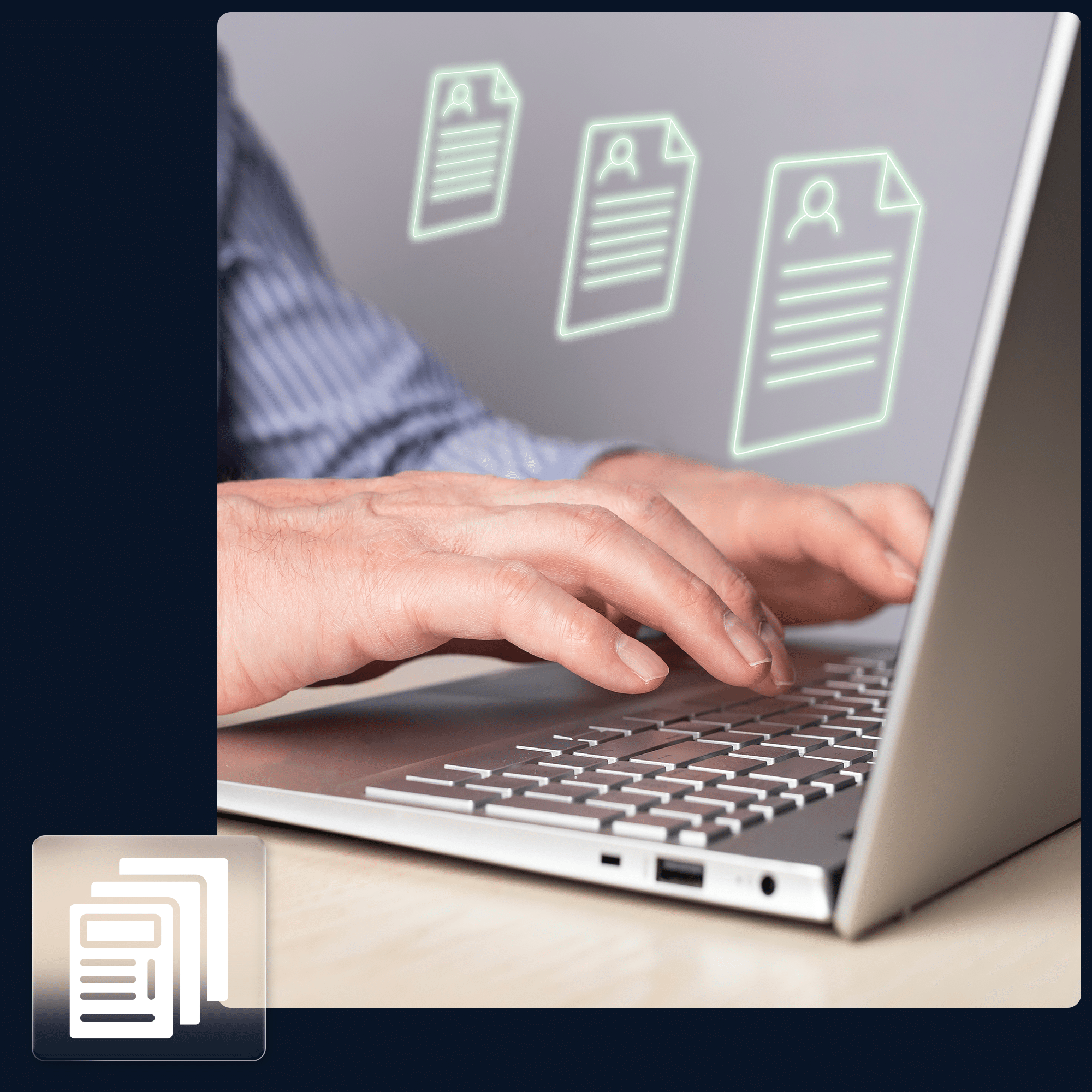
Generate multilingual letters using structured templates and system-driven content.
Populate multilingual letters automatically using structured system data, approved templates, and predefined communication rules instead of manually creating each document.
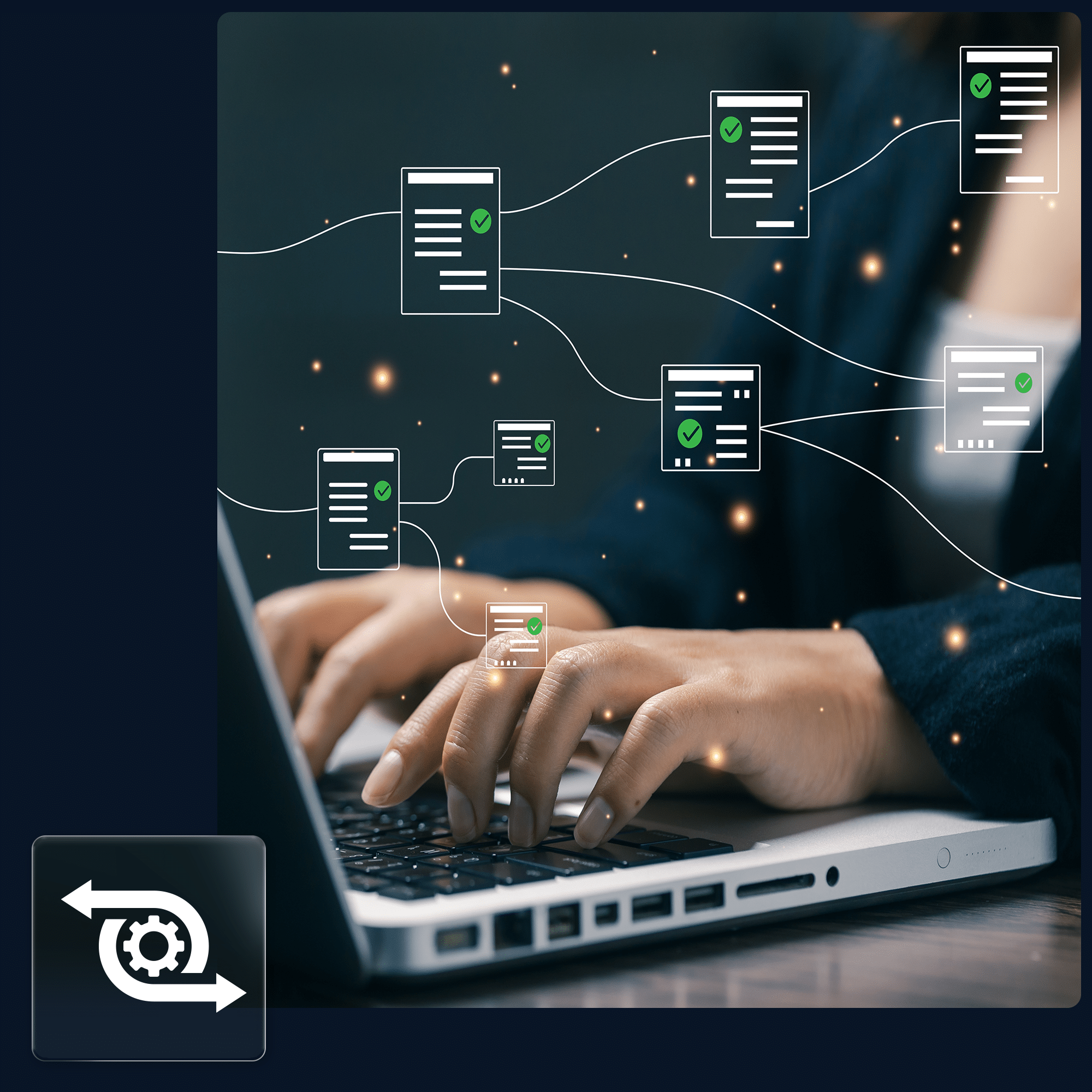
Move letters from generation through translation, formatting, and delivery.
Recurring communications can follow a repeatable workflow that automates translation, formatting, approvals, alternate formats, and delivery activities without requiring separate processes.
Deliver multilingual communications through print, digital, and accessible formats.
Letters can be prepared for print, mail, email, digital distribution, braille, large print, and other delivery requirements from the same communication workflow.
Template Libraries for Recurring Multilingual Communications
Maintain approved multilingual letter templates for notices, member communications, claims correspondence, and other recurring outreach. Updates can be managed centrally rather than recreating content for each communication.


Automated Population Using Data From Connected Systems
Generate personalized multilingual letters using information from existing systems. Recipient details, claim information, account data, and other fields can be automatically inserted into approved templates.
Less Work Behind Every Letter
Reduce the effort required to create, translate, track, and deliver multilingual communications.
Stop recreating the same letters for different languages and audiences.
Approved templates and connected system data make it possible to generate multilingual letters from the same source content instead of managing separate versions for every language.
Keep translation, formatting, and delivery in the same process.
Letters can move from generation through translation and delivery without passing work between multiple teams, vendors, or disconnected systems.
Know what was sent, when it was sent, and in which language.
Letter history, delivery status, and language versions remain connected to the same communication record, making follow-up and reporting easier.

850M+
Minutes Interpreted Annually
255M+
Words Translated Annually
Connected Language Solutions
Access interpretation, translation, localization, AI, and language operations through a single partnership.
Qualified Linguists at Scale
Connect with specialized language professionals selected for your industry and communication needs.
Technology That Fits Existing Workflows
Embed language support into the systems and processes your teams already use.
Latest Insights



Common Questions. Clear Answers.
Learn how Propio simplifies multilingual communication without sacrificing quality.
Automated Letters handles notices, statements, customer letters, policy updates, explanations of benefits, and other high-volume multilingual communications with workflows for both print and digital delivery formats.
Yes, existing templates can be used and adapted for multilingual communication workflows. Structured templates maintain consistent messaging, formatting, and terminology across languages.
Translation is built directly into the workflow. Machine translation, human review, or blended workflows can all be used, depending on communication sensitivity, compliance requirements, and turnaround needs.
Delivery is managed end to end across print, mail, email, and digital communication channels. Workflows can automate formatting, routing, and final distribution from one system.
Yes, each communication includes tracking for language, delivery status, timestamps, and version history.
It can reduce or eliminate the need for separate print, translation, and delivery vendors. Many organizations consolidate fragmented workflows into one connected multilingual communication process.
Automated Letters connects into existing systems and workflows through integrations and automated triggers. This allows communications to move through translation and delivery workflows without manual coordination.
Yes, review workflows can be configured based on communication type, risk level, or compliance requirements. Low-risk content can move through automated workflows, while sensitive communications can include human review and approvals.
Ready to Streamline Communication?
Connect your teams with language solutions built for speed, accuracy, and compliance.