

Machine Translation With Human Review
Translate large volumes of content quickly through machine translation with optional human review based on content requirements and risk levels.
Quality Control Built Into Translation

Instant Human Review
Request linguist review on demand for content that needs added oversight.

Dynamic Review Levels
Review paths adjust based on content and quality scores.

Continuous Refinement
Quality scoring and automated editing improve output.
Workflow Visibility
Track translation, review, and quality activity in one place.
Adaptive Translation Workflows
Apply the right mix of automation and human oversight to multilingual content based on content requirements.

Match content to the appropriate translation and review workflow.
Different content requires different levels of automation and oversight. Propio can route content through machine translation, quality evaluation, instant human review, or additional validation workflows based on business requirements.

Add trained linguists into workflows where accuracy and compliance matter most.
Human review workflows validate terminology, context, formatting, and compliance-sensitive communication before delivery. Teams can apply different levels of review based on content type, audience, and risk level.
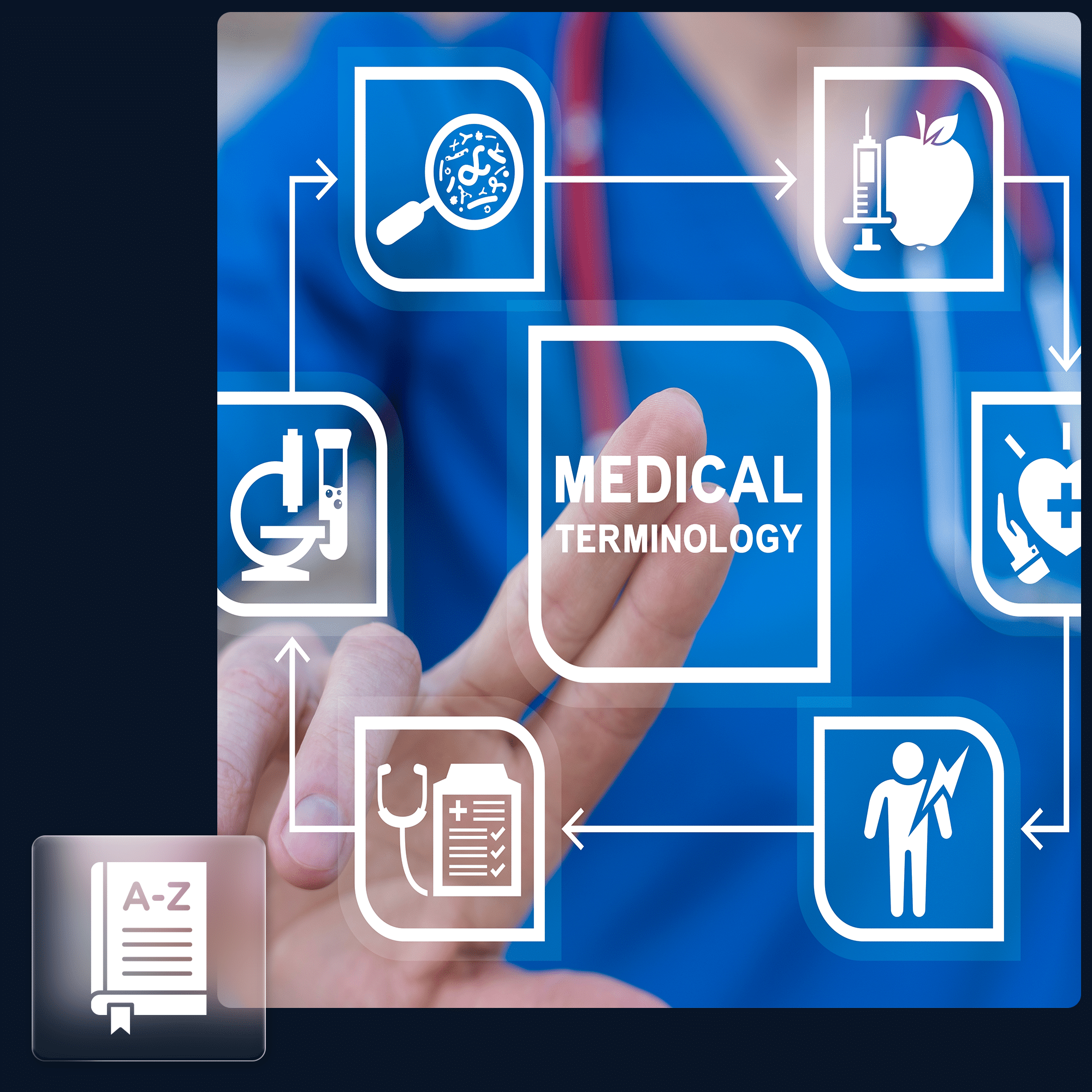
Maintain more consistent multilingual content with managed terminology and translation memory.
Approved terminology, language preferences, and previously translated content can be reused across future projects offer consistency as multilingual content libraries grow and evolve.
Quality Evaluation That Prioritizes Human Review
Not every translation requires the same level of oversight. Quality evaluation identifies content that may need additional review while allowing lower-risk content to move through faster workflows.
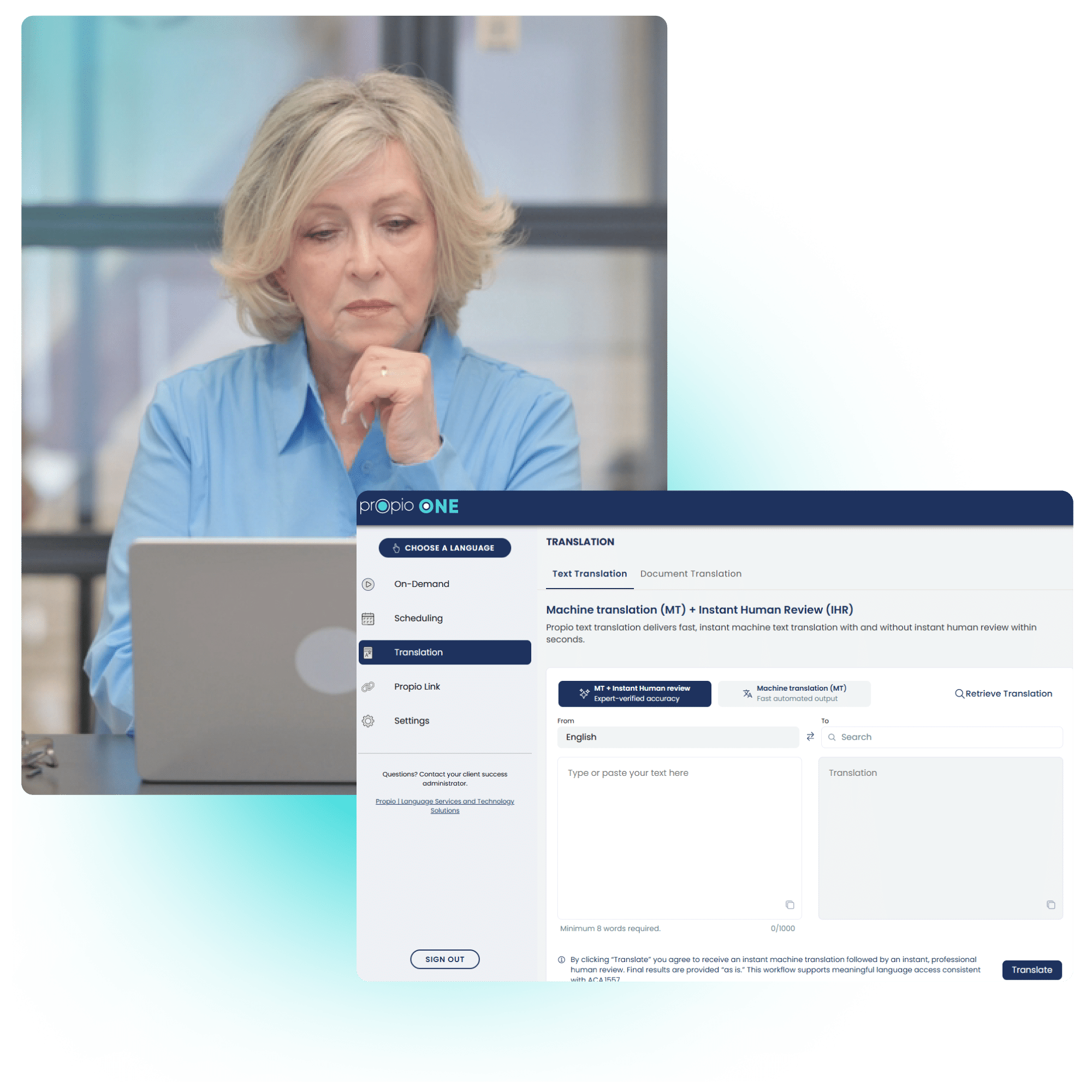
Translation Memory and Terminology Management for Consistent Multilingual Content
Build on previous translations instead of starting over with every project. Approved terminology and language preferences carry forward as multilingual content evolves.
Translation Workflow Integrations for Enterprise Systems
Bring translation into the systems teams already use. Propio can connect with business applications so multilingual content moves through existing workflows without relying on emails or manual handoffs.
More Control Over Translation Operations
Balance speed, oversight, and scalability across multilingual content without a one-size-fits-all process.
Translate more content without creating bottlenecks for internal teams.
Automation streamlines recurring translation requests by routing content through established workflows instead of repeating the same manual processes each time.
Reserve human review for content that requires additional oversight.
Different content carries different levels of risk. Translation workflows can apply additional review where it matters most while allowing lower-risk content to move through faster paths.
Maintain visibility into how multilingual content was translated and reviewed.
Track translation activity, review history, workflow decisions, and completed deliverables through a centralized process.
How a Global Company Improved Translation Quality with Domain-Specific AI
Learn how a global company used domain-specific AI translation to improve quality, increase consistency, and reduce turnaround times for specialized content.

850M+
Minutes Interpreted Annually
255M+
Words Translated Annually
Connected Language Solutions
Access interpretation, translation, localization, AI, and language operations through a single partnership.
Qualified Linguists at Scale
Connect with specialized language professionals selected for your industry and communication needs.
Technology That Fits Existing Workflows
Embed language support into the systems and processes your teams already use.
Latest Insights



Common Questions. Clear Answers.
Learn how Propio simplifies multilingual communication without sacrificing quality.
Accuracy varies based on the content being translated and the review process used. Machine translation can be combined with post-editing, quality evaluation, or human review to verify terminology, meaning, and project-specific requirements.
Human review should be added for customer-facing, regulated, or high-risk content. Workflows can automatically introduce human oversight when quality thresholds, compliance requirements, or content sensitivity demand it.
Automated Post-Editing and Automated Quality Evaluation serve different purposes. Post-editing focuses on improving translated content, while quality evaluation focuses on assessing the translation and identifying content that may benefit from additional review.
Yes. Translation processes can be tailored to the content being translated, the intended audience, review requirements, and delivery timelines. Different levels of automation and human review can be applied based on project needs.
No. Translation, review, and quality evaluation can be managed within the same platform. Content can move through different review levels without requiring separate systems for each step.
Ready to Streamline Communication?
Connect your teams with language solutions built for speed, accuracy, and compliance.