

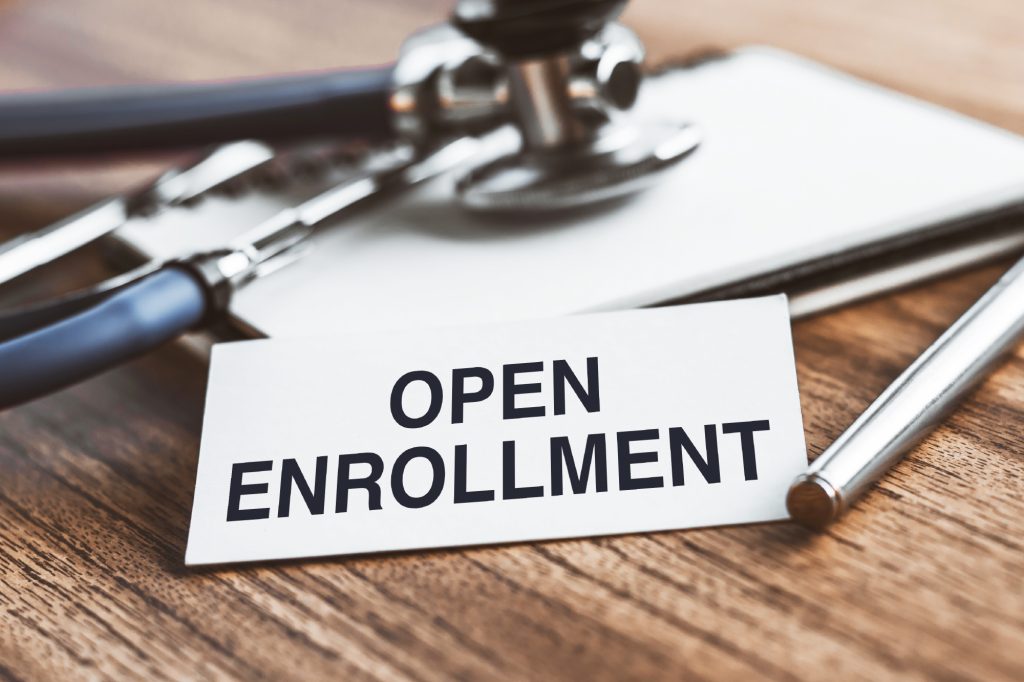
Open Enrollment compliance checklist for language access
Open Enrollment materials often need to be produced quickly, but speed can’t come at the expense of compliance. Every document, notice, and translated file must meet federal and state requirements to avoid confusion and maintain trust with your members.
This Open Enrollment planning checklist walks through the core compliance areas to keep in mind while preparing multilingual outreach for Open Enrollment, from Section 1557 requirements to accessibility and recordkeeping.
Follow Section 1557 requirements
Section 1557 of the Affordable Care Act prohibits discrimination based on language access. For Open Enrollment, this means providing qualified interpreters and translated materials for individuals with limited English proficiency.
Watch for federal language policy changes
Two recent developments are worth tracking as you plan this year’s materials. In March 2025, an executive order designated English as the official language of the federal government and revoked the order that had directed federal agencies to support language access for people with limited English proficiency. In July 2025, the Department of Justice followed with guidance directing federal agencies to scale back non-essential multilingual services. To learn more about how this impact affects healthcare providers, download our resource guide on How Trump’s Executive Order on English Impacts Healthcare Organizations.
That guidance changes how federal agencies communicate internally. It doesn’t repeal Section 1557. Health plans and other covered entities remain legally required to provide meaningful language access under Section 1557 and Title VI, so this shift isn’t a reason to scale back your own Open Enrollment materials.
Separately, the SPEAK Act, signed into law in February 2026, directs HHS to publish guidance on language access in telehealth, including interpreter integration during telemedicine visits and multilingual patient portal access, with guidance expected by February 2027. If your Open Enrollment outreach includes virtual info sessions or other telehealth-adjacent support, it’s worth watching this guidance as it develops.
Use approved terminology and templates
Consistency matters across Open Enrollment materials. Using approved terminology in plan documents, notices, and forms helps avoid confusion and keeps your messaging aligned with regulatory expectations in health care and health coverage generally.
CMS publishes standardized model materials and translated templates each year for Medicare Advantage and Part D plans, including the Annual Notice of Change and Evidence of Coverage. Many states also provide their own language guides for Marketplace plans. Skipping these resources, or changing wording without review, can result in errors or misinterpretation, especially in translated versions. Stick to approved language whenever possible, so your materials stay compliant and easy for enrollees to understand.

Make sure translations are accurate and culturally appropriate
Translations for Open Enrollment should be handled by professionals who understand both the language and the subject matter. Certified translators and reviewers bring the accuracy and consistency that forms, instructions, and benefit explanations require.
Errors can lead to confusion, missed enrollment, or legal exposure. Tone, phrasing, and formatting should also reflect cultural norms, so the information feels familiar and clear to the people reading it rather than sounding like a literal, word-for-word translation. A qualified language services partner will flag idioms, regional phrasing, and formatting conventions that don’t carry over directly from English.

Consider alternate formats and accessibility
Language access isn’t the only consideration during Open Enrollment. Some individuals may need materials in large print, braille, audio, or screen-reader-friendly formats.
Requirements under Section 504 of the Rehabilitation Act and the Americans with Disabilities Act (ADA) govern how information is shared with people who have disabilities. Coordinating language access and accessibility planning at the same time, rather than treating them as separate projects, helps prevent missed steps and supports a wider range of enrollee needs.
Keep records of language support
Documentation is an important part of compliance. Keep track of which materials were translated, which languages were used, and when notices were delivered to enrollees.
Good records make audits and reporting easier, and they also help with planning for future Open Enrollment periods across the United States. Having this information on hand shows consistency over time and helps your team identify what worked well and what needs adjustment before the next enrollment cycle begins.
Stay ahead of compliance with the right language support
Reviewing compliance requirements early in the Open Enrollment process gives your team more time to get materials right and avoid last-minute changes. When language access and accessibility are part of the planning phase from the start, communication is more accurate, consistent, and easier to manage.
Working with a partner who understands healthcare regulations helps keep your materials aligned with state and federal standards. Propio supports healthcare organizations with translation, review, and formatting services that meet CMS requirements and help you serve every member of your community.
For a full framework you can build into next year’s planning, check out Propio’s guide, How to Keep Multilingual ACA Members Informed During Open Enrollment.